


Choosing toothpaste used to mean grabbing whatever promised a brighter smile or surface stain removal. If cavity prevention is your goal, the ingredient list matters more than the marketing on the tube.
Cavities are one of the most common chronic conditions worldwide. In the United States, 25.9% of adults aged 20–44 had untreated dental caries during 2015–2018, according to CDC National Center for Health Statistics data.
The right cavity prevention toothpaste can do more than clean. It can rebuild weakened enamel and tip the balance in your mouth back toward health. This guide breaks down what to look for, which ingredients carry the science, and how to evaluate your options so you can buy with clarity.
What Causes Cavities in the First Place
Cavities start with bacteria. They consume sugars from food and drinks, then produce acids that erode enamel, the protective outer layer of your teeth, exposing the softer dentin underneath. Over time, a hole forms.
The tipping point is pH. Demineralization begins when a tooth sits in an acidic environment of pH 5.5 or below, known as the "critical pH."
Specific bacteria drive the process. Two of the most prominent are Streptococcus mutans and lactobacilli. S. mutans is especially good at sticking to and colonizing tooth surfaces, which makes it a key player in early cavity formation.
Your teeth cycle through mineral loss and repair all day as pH rises and falls. Decay advances or reverses depending on which side of the mineral-loss-and-repair balance wins. A cavity-prevention toothpaste helps shift the mineral balance toward repair.
Early decay is reversible. The first sign is often a small white spot, a marker of mineral loss. Catching and remineralizing at this stage is where toothpaste choice makes the biggest difference.
What to Look for in Effective Cavity-Fighting Toothpaste
Choosing the best toothpaste for cavities means looking beyond fresh flavor and whitening claims. Cavities begin when acids pull minerals from enamel, so the right formula should help restore lost minerals, clean without damaging enamel, and support a healthier balance of oral bacteria.
The strongest cavity-focused toothpastes do three things well: they promote remineralization, protect tooth enamel from unnecessary abrasion, and avoid harsh ingredients that can disrupt the oral microbiome. Here are the key features to look for before choosing one.
Remineralizing Ingredients
Remineralization is the number-one criterion. The goal is not just to clean but to rebuild. A major limiting factor in remineralization is the availability of calcium and phosphate ions.
The main mineral in your enamel is hydroxyapatite (HAP), built from calcium and phosphate. Because it is the same material your teeth are made of, nano- and micro-sized HAP particles resemble natural enamel crystals.
They bind to damaged surfaces and fill in porous irregularities, restoring surface integrity.
The evidence is encouraging. A study found that hydroxyapatite toothpaste was as effective as fluoride toothpaste at preventing cavities and remineralizing early cavities.
The researchers concluded it could be a useful tool for people at high risk of decay, since it promotes remineralization without adding fluoride.
HAP also repairs more evenly. Applied by toothpaste or gel, HAP produces more homogeneous remineralization than fluoride.
Fluoride's limits make hydroxyapatite a compelling, fluoride-free alternative worth evaluating.
|
Key Insight: Hydroxyapatite was as effective as fluoride toothpaste at preventing demineralization and remineralizing early cavities. It also repairs more evenly, without adding fluoride. |
Gentle Cleaning Power
Enamel does not grow back. Once it erodes, it is gone. A toothpaste that is too abrasive works against your goal.
Understand the RDA scale. Every toothpaste has a Relative Dentin Abrasivity (RDA) value, a standardized measure of how abrasive it is. The lower the number, the gentler the paste.
Toothpastes with an RDA of 250 or less are considered safe for a lifetime of use, and nearly all modern formulas meet that standard. If you have sensitive teeth or existing enamel loss, a lower RDA helps prevent further erosion and address tooth sensitivity.
Look at the abrasive itself, not just the number. Calcium carbonate is an ultrafine natural limestone, softer than hydrated silica, which makes it a gentle cleaner.
As a calcium source, calcium carbonate supports remineralization while helping protect existing enamel. Unlike some whitening toothpaste formulas that can be harsh on enamel, gentle abrasives balance cleaning with protection.
The rule of thumb: enough cleaning power to remove plaque, without wearing down enamel. A formula that cleans and rebuilds at once is ideal.
 |
 |
 |
|
|
|
| CHECK PRICE | CHECK PRICE | CHECK PRICE |
Ingredients That Support a Healthy Oral Microbiome
Your mouth hosts a community of bacteria, and its balance matters. The leading theory of decay, the "ecological plaque hypothesis," holds that cavities involve a disruption of that balance in dental plaque. A balanced mouth resists decay and supports gum health.
When the balance tips, decay follows. Diet or poor hygiene can push the microbiome toward a pathogenic state.
Excess dietary sugar ferments into acids, lowers local pH, and favors acid-producing species like S. mutans. An imbalanced microbiome can also contribute to gum inflammation and bleeding gums.
Watch out for harsh detergents. Sodium lauryl sulfate (SLS) has been shown to kill bacteria in biofilms and disturb the community structure, in some cases increasing the share of pathogenic bacteria.
Hydroxyapatite helps here as well. Bacteria adhere to free HAP particles in saliva instead of the tooth surface. Those clusters are then cleared away by saliva or rinsing, which reduces plaque buildup.
Probiotics can complement your toothpaste. Conventional approaches that indiscriminately wipe out microbes can disrupt the natural equilibrium. Biointervention aims to restore balance instead, by introducing beneficial strains or inhibiting harmful ones.
Some probiotics drawn from the plaque of healthy individuals sharply antagonize cariogenic species like S. mutans.
How Your Daily Habits Affect Cavity Prevention

Even the best toothpaste works best inside a good routine.
Keep snacks within defined windows. Frequency of sugar beats total quantity. Sipping sweetened coffee all morning or grazing all day creates repeated acid attacks.
Give enamel time to recover. Saliva neutralizes acids and returns minerals to your teeth. When acid attacks come too often, enamel does not get the recovery time it needs, and repeated mineral loss can create a weak spot that becomes a cavity.
Brush smart, not hard. Brush twice daily for about two minutes with a soft-bristled brush. The evening session matters most, since it clears buildup before sleep, when saliva flow drops.
Wait after acidic foods. Wait at least thirty minutes before brushing after consuming sugary and acidic foods. Brushing right away can rub acid deeper into softened enamel. Rinsing with water first helps wash away sugars and restore pH.
Support saliva and hydration. Saliva is one of your mouth's natural defenses. It rinses away particles, neutralizes acid, and supplies minerals for repair to help prevent tooth decay.
Drink water and lean on cavity-friendly foods.
Do not skip flossing. Daily flossing clears trapped food and plaque between teeth, where a brush cannot reach.
The best toothpaste multiplies the payoff of good habits. No habit, though, replaces a remineralizing formula.
Choose a Smarter Approach to Cavity-Fighting Toothpaste
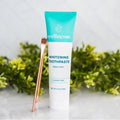
Three criteria matter most: remineralizing power, gentle cleaning, and microbiome support. Wellnesse toothpaste is built to meet all three.
Micro-hydroxyapatite at the core. Every Wellnesse toothpaste contains micro-hydroxyapatite, the same mineral your enamel is made of, to support remineralization and strengthen enamel against cavities, without fluoride.
A flavor for everyone. Our product line includes Whitening, Charcoal, Strawberry, Cinnamint, and Vanilla Berry, so the whole family can find a fluoride-free option they will keep using.
Gentle by design. The formula is clean and enamel-friendly, made without harsh detergents. It cleans plaque without wearing enamel down.
Explore our toothpaste collection and build a cavity-fighting routine you will actually keep. Remineralizing, gentle, and fluoride-free, backed by our 60-day return policy.


