


Many people wonder, does whitening toothpaste damage enamel if you use it every day?
Daily whitening toothpaste formulas do not harm your natural teeth when designed properly. Protection depends on abrasion levels, bleaching strength, and the rest of the ingredient list, so such a toothpaste is safe for regular use as long as the product targets maintenance rather than deep cleaning.
Why the Right Whitening Toothpaste Can Be Safe for Daily Use
Standard teeth whitening toothpaste lifts superficial marks resting on the tooth exterior rather than penetrating the internal structure, which is what keeps it from damaging enamel.
Safe daily use relies on three things: a soft cleaning action, low abrasion, and minerals that strengthen enamel rather than stress it.
When those three pieces align, a specialized tooth whitening toothpaste delivers a fresher mouth morning and night. You should see noticeable results over consecutive weeks of brushing, with minimal irritation.
Think of this approach as buffing without scratching your teeth. A well-formulated whitening toothpaste fits into a standard hygiene routine and helps keep your gums healthy.
A good whitening toothpaste removes the surface stains that come from coffee, tea, and other daily habits, and using it twice a day should never feel like a procedure you need to prepare for or recover from.
What Makes Some Whitening Toothpastes Too Harsh?
Certain whitening toothpaste formulas are not built for daily use, which makes reading the label worth the time. Enamel wear is cumulative, so minor ongoing friction adds up to real enamel erosion over the years.
Abrasive damage stems from product composition, poor brushing technique, or both.
|
Important: Using a high-abrasion whitening toothpaste daily can accelerate enamel wear, especially with hard brushing or stiff bristles. Check for an RDA suitable for daily use. |
High Abrasiveness
Certain abrasive whitening toothpaste formulas use coarse particles to scrub discoloration off the exterior. Combined with forceful brushing, these products strip the outer shield and expose the vulnerable layer underneath.
A few clear indicators point toward a whitening toothpaste being too rough for your mouth:
- Teeth that feel less slick after brushing
- Increased sensitivity to hot, cold, or sweet foods
- Tenderness along the gumline
Dental professionals measure abrasion on a standardized scale known as relative dentin abrasivity. Consumers do not need to memorize exact figures, but a fluoride toothpaste meant for daily use should stay at or below the 250 RDA ceiling the American Dental Association considers safe.
A paste intended for daily application must feature mild abrasives rather than aggressive stain-stripping compounds.
Harsh Bleaching Agents
High-concentration whitening ingredients like carbamide peroxide fit short treatment cycles under professional supervision. Applying concentrated chemical blends on a frequent schedule pushes the oral environment past its natural tolerance.
Potent bleaching agents or hydrogen peroxide elevate sensitivity responses to extreme temperatures. These chemicals trigger tissue irritation or stinging sensations that linger long after brushing ends.
A standard whitening toothpaste provides steady maintenance, whereas intense professional whitening treatments serve narrow short-term purposes. Increased strength offers no advantage for regular habits.
Enamel-Unfriendly Ingredients
Beyond scrubbers and bleaches, other abrasive ingredients render a whitening toothpaste unsuitable for frequent application. Acidic elements soften the tooth exterior before the toothbrush sweeps them away, removing protective tooth enamel.
Heavy detergents and strong foaming agents aggravate delicate gum tissue without causing direct erosion. A thick lather does not mean a cleaner mouth. It is a formulation choice, and people with sensitive teeth often find it irritating.
Understanding what each ingredient does lets you judge whether it belongs in a paste you use twice a day.
A short, purposeful ingredient list lessens irritation, and a paste that feels comfortable is one you will keep using twice a day.
|
Enamel-Safe Daily Whitening |
Too-Harsh Whitening Formula |
|---|---|
|
Mild, finely milled polishing agents |
Coarse, high-abrasion scrubbing agents |
|
Low-to-moderate RDA rating |
High RDA; designed for occasional use |
|
Gradual surface stain removal |
Vigorous stain stripping |
|
Hydroxyapatite or fluoride enamel support |
No remineralization support |
|
Comfortable twice-daily use |
May trigger sensitivity with repeated use |
|
Minimal or no bleaching agents |
Concentrated peroxide or strong oxidizers |
|
Clean, purposeful ingredient list |
Unnecessary additives, harsh detergents |
Does Whitening Toothpaste Cause Tooth Sensitivity?
Sensitivity starts underneath the enamel. Dentin is threaded with microscopic tubules that run toward the nerve, and when enamel thins or the gumline pulls back, those tubules are left open to hot, cold, and sweet foods. Over-abrasion is one way that happens.
Bleaching is the other, and it is the bigger one. The American Dental Association reports that transient mild to moderate tooth sensitivity can occur in up to two-thirds of users during the early stages of bleaching treatment, though it is usually mild and passes on its own.
A gentle daily whitening toothpaste is a different proposition, because it lifts surface stains instead of bleaching, so it should not trigger that reaction at all.
The right formula can work in the other direction. Toothpastes that ease sensitivity do it by occluding those open tubules, and hydroxyapatite adds a second effect on top: as it remineralizes, the mineral layer it leaves behind forms a barrier of its own.
Hydroxyapatite is the same mineral your enamel is made of, which is why one ingredient can rebuild the surface and calm tooth sensitivity in the same step.
How to Choose an Enamel-Safe Whitening Toothpaste

Identifying the right whitening toothpaste becomes simple once you recognize the warning signs. Seek out gentle stain lifters, minerals that rebuild enamel, and as few irritants as possible.
Read the full ingredient panel before you buy. Look past the marketing terms printed on front packaging to find an enamel-safe toothpaste.
|
Pro Tip: If your toothpaste feels gritty or leaves teeth rough after brushing, it’s likely too abrasive for daily use. |
Look for Gentle Polishing Ingredients
The best whitening formulas use ingredients like hydrated silica or calcium carbonate that lift surface marks without leaving a gritty texture. The goal is a smooth finish, not a hard scrub.
That is what makes a paste with mild abrasives comfortable enough to use for years rather than weeks.
Teeth whitening products marketed toward sensitive teeth feature lower-abrasion profiles. If a blend feels grainy during application, the manufacturer included coarse scrubbers. Roughness after rinsing means the product is scratching your teeth rather than polishing them, and it is not one to use long term.
Choose Ingredients That Support Remineralization
Compounds that deposit minerals back onto the tooth surface leave it stronger and smoother. A smoother surface gives new stains less to cling to.
Two leading options dominate the modern remineralization category for whitening toothpaste:
- Fluoride in regular toothpaste serves as the conventional standard, enjoying widespread acceptance among dental professionals for decades.
- Hydroxyapatite presents a biocompatible alternative that smooths microscopic irregularities in the enamel surface.
Hydroxyapatite works because it is the same mineral that makes up most of your teeth. That makes it a strong fit for a paste you use every day: it brightens and rebuilds in the same step.
For extra mineral support, you can add a hydroxyapatite varnish to your routine.
Avoid Formulas That Cause Sensitivity
If a whitening product has made your teeth ache before, that is the best guide you have for what to avoid next time.
Multiple red flags indicate a specific blend carries too much intensity for frequent application. Watch for these warning signs during the first week of use:
- Sharp or persistent cold sensitivity following brushing
- A burning sensation along the gum tissue
- Discomfort that intensifies with consecutive applications
Gentle products designed for progressive lightening hold up better over time than harsh bleaching ingredients promising overnight results. A paste you use morning and night has to stay comfortable, or you will stop using it.

|
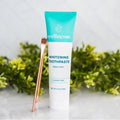
#1 Wellnesse Whitening Toothpaste is a clear winner for our choice of the Best Whitening Toothpaste, especially for daily use without enamel damage. Its hydroxyapatite formula gently lifts stains while actively supporting remineralization, so you get brighter teeth and stronger enamel, without the harsh abrasives or peroxide found in most alternatives. |
Daily Habits to Protect Your Tooth Enamel While Whitening

Selecting the right whitening toothpaste solves only half the equation. Routine habits bridge the gap.
Use a soft-bristled toothbrush with light, circular motions rather than forceful scrubbing strokes. Brush twice a day and floss once a day to maintain good oral hygiene across the entire mouth. Pairing a quality toothpaste with proper form minimizes wear.
Timing matters after acidic meals and drinks. Acid exposure softens the tooth exterior, making immediate brushing a hazardous choice that accelerates enamel erosion.
Wait 30 minutes after drinking coffee, tea, or citrus juices to let the softened enamel re-harden. Rinse your mouth with plain water as an easy protective measure during that waiting period.
If cold water makes your teeth ache, rinse with lukewarm water instead. Track changes over the following weeks so you catch problems like increased tooth sensitivity early.
Any mounting discomfort warrants a conversation with a dental hygienist or dentist before pursuing professional whitening. Visible tissue recession or stubborn pain demands immediate expert evaluation.
Regular dental cleanings round out the routine. A dentist can track what is actually happening to your enamel far better than you can by guessing from how your teeth feel in the morning.
Whiten Your Teeth Safely Every Day With Wellnesse

Wellnesse Whitening Toothpaste is a routine-friendly option designed for progressive whitening without the harsh side effects of intense procedures.
It gently lifts surface stains week over week, building toward a whiter smile. The targeted hydroxyapatite blend supports remineralization and leaves the tooth surface feeling smooth.
The ingredient list is short enough to read on the tube, and the formula is safe for all ages. It fits a morning and night routine from the first brush. Skip the discomfort that comes with harsher whitening options like peroxide strips or DIY baking soda.
For added mineral support, layer Wellnesse's hydroxyapatite varnish on top of your brushing routine.
The truth is simple: daily whitening toothpaste doesn't have to damage enamel. Consistent habits paired with a well-crafted teeth whitening toothpaste keep your bright smile intact for years.


