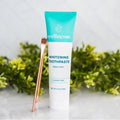



Good tooth health is fundamental to overall well-being, and it relies on vigilant dental care throughout life. Yet dental decay, gum disease, and other oral problems remain extremely common worldwide. Many people lack routine dental check-ups, and diets high in sugar fuel plaque formation and cavities. The World Health Organization estimates nearly 3.7 billion people suffer from oral diseases at some point. Gum disease alone is a leading cause of adult tooth loss, and millions suffer from untreated cavities. This situation underscores the need for novel preventive strategies beyond routine brushing and fluoride toothpaste.

The Oral Microbiome and Disease
The mouth hosts a complex ecosystem of hundreds of microbial species on teeth, tongue, cheeks, and gums. In health, beneficial bacteria form a protective biofilm, outcompeting pathogens. If this balance is disrupted, harmful species can overgrow. For example, Streptococcus mutans thrives in sugary plaque and is a major cavity-causing bug. Studies confirm that the composition of oral microbiota is closely associated with oral health, and its disruption is an important step in oral disease. This insight shows why maintaining a balanced oral microbiome, rather than simply eradicating bacteria, is a key goal in modern dental care.
What Are Probiotics and How Might They Help?
Probiotics are live microorganisms that, in sufficient doses, benefit the host’s health. The idea of applying them to the mouth comes from gut science: people already eat yogurts or supplements with probiotics for digestive health. Researchers discuss probiotics for oral health and dental probiotics designed to seed the mouth with beneficial microbes. These are often called oral probiotics.
The goal is to introduce strains that can colonize teeth and gums and compete with pathogens. Strains of Lactobacillus, Bifidobacterium, Streptococcus salivarius, and others are being tested. In lab studies, such oral probiotics can produce acids or bacteriocins that inhibit cavity-causing bacteria. In animal and small human trials, certain probiotics have reduced the counts of S. mutans or P. gingivalis in plaque. These changes suggest that shifting the mouth’s ecology toward beneficial species is possible, though more evidence is needed on long-term clinical impact.
Probiotics for Gum Health
Periodontal diseases arise from chronic plaque inflammation and infection of the gums. Standard treatment is professional cleaning, but gums often re-infect. In recent years, clinicians have tested probiotics as natural gum health remedies. The idea is that friendly bacteria can help suppress the pathogens that drive gingivitis and periodontitis. Another promising natural approach is hydroxyapatite toothpaste for gum disease. Supplementing with Lactobacillus reuteri or Lactobacillus helveticus daily has been shown in trials to reduce gum bleeding and pocket depths compared to controls. Adding probiotics for tooth decay may modestly boost the gum-healing process.
Probiotics for Bad Breath
Halitosis affects an estimated 20–50% of people at some point. Most often, it originates in the mouth, where anaerobic bacteria on the tongue or in gum pockets break down proteins and produce volatile sulfur compounds. Oral probiotic lozenges containing Streptococcus salivarius strains have been shown to colonize the tongue and reduce odor-producing compounds. Probiotic rinses may shift the tongue microbiome. Some toothpastes and mints now advertise odor-fighting probiotics.
Probiotics Against Tooth Decay
Dental caries occurs when acid-producing bacteria demineralize enamel. The classic culprit is S. mutans, which thrives on sugar. The rationale is that certain friendly strains can compete with S. mutans or even neutralize acids, helping enamel to remineralize. In animal models and small human trials, consuming probiotic dairy has been shown to lower salivary S. mutans levels and raise pH. The concept of using probiotics to restore a healthier plaque biofilm is actively being tested as a complement to sealants.
Probiotic Oral Care Products
These research insights have spawned a new category of probiotic toothpaste and supplements. Products now on the market include probiotic powders, gels, chewing gums, and mouthwashes that contain live cultures or “postbiotics.” A few brands offer oral probiotic lozenges with S. salivarius, L. reuteri, or Bifidobacterium intended to colonize the tongue and gums. Probiotic toothpaste formulations (some fluoride-free) are also appearing. They typically add probiotic strains or metabolic byproducts to standard bases. One brand, Wellnesse, for instance, offers organic fluoride-free toothpaste and probiotic mints to boost oral wellness.
Hydroxyapatite Toothpaste for Enamel Strength
Alongside probiotics, toothpaste chemistry is evolving with new minerals. A star ingredient is hydroxyapatite (HAP), the same calcium-phosphate mineral that naturally makes up tooth enamel. Many enamel-strengthening toothpaste formulas now use nano-sized HAP particles instead of or in addition to fluoride. These are sometimes labeled as toothpaste for strong teeth or remineralizing toothpaste. The idea is that the microscopic HAP crystals can penetrate enamel pores and deposit new mineral.
Studies show that HAP toothpaste can fill micro-defects and form a synthetic enamel layer on the tooth surface. It slowly rebuilds lost enamel and blocks exposed nerve tubules, which also reduces sensitivity. Certain preparations, such as the best hydroxyapatite toothpaste, are best for this mineral-replacement action. Today, HAP toothpastes are sold by dozens of brands (often in Europe and Asia), and in some countries, they have official health endorsements. Many consumers also appreciate that these hydroxyapatite remineralizing toothpaste formulas double as sensitive toothpaste options. Replacing fluoride with HAP avoids chemical irritation, and the added minerals themselves soothe nerve endings. The rise of HAP pastes means people with sensitivity or those seeking fluoride-free care have effective alternatives for strengthening enamel.
Another trend has been charcoal-based toothpaste. These products contain activated charcoal powder, which is touted to whiten teeth through abrasive polishing and stain adsorption. In moderation, charcoal can remove surface stains from coffee or tea.

Organic and Natural Oral Care
The push for natural ingredients has also touched toothpastes. Many organic toothpaste brands now market fluoride-free formulas made with plant extracts, essential oils, baking soda, xylitol, aloe, or herbal antimicrobials. People often buy organic toothpaste online, seeking “clean” products without artificial colors or preservatives. To maintain effectiveness, many of these organic pastes end up using the same advanced actives: for example, some fluoride-free brands add nano-hydroxyapatite or calcium phosphates as their mineral component.
Many natural toothpaste lines also include soothing ingredients to claim a sensitive toothpaste benefit:
- Potassium Nitrate: Potassium nitrate is widely used in natural toothpaste to support individuals with discomfort triggered by temperature changes or pressure. It works by moving through the enamel into the dentin, where it helps calm the nerves inside the tooth. This ingredient is valued because it allows people with sensitivity to maintain regular brushing habits without experiencing sharp sensations. Many brands choose potassium nitrate because it aligns well with formulas that avoid aggressive foaming agents or abrasive whiteners. It offers targeted relief while still allowing a clean, smooth brushing feel. For individuals seeking a more natural alternative that still meets the expectations of a sensitive product, potassium nitrate offers a reliable balance of function and gentleness.
- Arginine: When acidity remains controlled, sensitivity tends to lessen because enamel becomes more stable under daily stress. Arginine also works with calcium to help create a protective buffer layer on the tooth, which contributes to stronger enamel over time. Natural brands appreciate arginine because it integrates seamlessly with botanical extracts, mild cleansers, and mineral-based polishing agents. For users seeking a scientifically supported option that aligns with cleaner ingredient standards, arginine delivers meaningful support without adding harsh or synthetic ingredients to the formula.
- Rice Proteins: Rice proteins appear frequently in natural toothpaste designed for sensitivity because they offer a soft, strengthening effect without altering the user’s brushing experience. These proteins interact with the tooth surface to help reinforce the enamel structure, which gradually reduces discomfort when eating or drinking. They also blend well with plant oils and herbal ingredients that many natural brands prioritize. Rice proteins provide resilience while still keeping the overall formula lightweight and nonabrasive. Their ability to work with a minimal ingredient list makes them popular among shoppers who prefer simple, plant-forward products. Over time, consistent use of toothpaste containing rice proteins can help maintain a calmer response to daily temperature changes and make brushing more pleasant for individuals prone to sensitivity.
- Botanical Extracts: While their primary focus is gum comfort, these extracts indirectly support sensitive teeth by reducing overall irritation throughout the brushing routine. When gums feel balanced and calm, users tend to brush more consistently, which ultimately helps protect enamel. Many natural formulas rely on botanicals because they pair well with mineral-based cleaning agents and mild flavor profiles. These extracts provide a gentle, rather than intense, sensory experience, which can be especially helpful for people who avoid strong mint or menthol. Botanical ingredients bring a layer of comfort that enhances the effectiveness of the overall formula.
- Mineral-Based Enhancers: Some natural toothpastes incorporate minerals that support stronger enamel and improved sensitivity response. Ingredients like calcium carbonate or magnesium compounds help polish the tooth surface while maintaining a controlled level of abrasiveness. When enamel is handled gently, users experience less discomfort from cold or heat. These minerals contribute to a smoother brushing experience, especially for individuals who prefer fluoride-free products but still want a formula that strengthens the tooth structure. Their versatility makes them a popular choice for brands seeking to achieve both cleanliness and support for sensitive skin without relying on synthetic additives. Mineral-based toothpaste can help preserve enamel stability and encourage a more comfortable daily brushing routine.
Organic oral care tends to combine traditional herbal remedies with modern mineral technology to support tooth health in a more natural packaging. Daily brushing also supports oral health by removing plaque, clearing food debris, and maintaining a balanced environment for beneficial bacteria.
- Choose a Soft-Bristled Brush: A soft-bristled brush removes plaque without straining the enamel or irritating the gumline. This type of brush adapts easily to the natural curves of the mouth, allowing thorough cleaning with minimal pressure. Many people benefit from selecting a brush head that fits comfortably, allowing it to reach the smaller spaces between teeth. A soft texture also prevents the gum recession that often develops from aggressive brushing. When paired with a gentle toothpaste, it supports a daily routine that feels comfortable and still accomplishes effective cleansing.
- Use a Gentle, Steady Pressure: Applying firm pressure often leads to enamel thinning over time, which increases tooth sensitivity. A better strategy is guiding the brush with a slow, steady motion that lightly contacts each surface. Maintaining this balanced pressure ensures debris is lifted away without scraping the enamel.
- Angle the Bristles Toward the Gumline: Positioning the toothbrush at a slight angle helps sweep plaque from the areas where the gums meet the teeth. This zone collects the most buildup, so focusing attention here supports better gum health. Guiding the brush in small, deliberate strokes helps the bristles reach these narrow spaces. It also ensures that each brushing session addresses the areas most prone to early signs of gum disease.
- Brush All Tooth Surfaces Methodically: Every tooth has multiple surfaces that accumulate plaque throughout the day, so covering each area intentionally matters. Cleaning the outer surfaces first sets a clear rhythm, followed by the inner surfaces and then the chewing surfaces. This order prevents rushing and creates a predictable pattern that reaches the entire mouth. By approaching brushing this way, people avoid missing difficult angles, especially behind the back teeth. The methodical structure also promotes consistency, which is crucial for maintaining daily oral cleanliness.
- Clean the Tongue: The tongue’s textured surface traps bacteria that contribute to unpleasant breath. Gently brushing it from back to front removes this buildup and supports a fresher oral environment. Many individuals notice improved breath when this step becomes a regular part of their routine. Using a soft motion prevents discomfort and avoids irritation along the tongue’s surface. Clearing these deposits also complements other oral care steps by reducing the bacterial load that would otherwise settle back onto the teeth.
- Take a Full Two Minutes: Two minutes gives enough time to thoroughly clean each section of the mouth without rushing through critical areas. Many people unintentionally brush for far less time, which reduces the effectiveness of every other technique. Splitting the mouth into quadrants helps maintain a steady pace and ensures each region receives equal attention. This consistent timing encourages better plaque removal and supports healthier gums. Making the two-minute habit part of daily routines strengthens oral hygiene and contributes to improved long-term dental outcomes.
A mindful brushing routine promotes stronger enamel, healthier gums, and a more balanced oral microbiome.

Probiotics represent an exciting new frontier in oral health care. By harnessing friendly bacteria, dentists hope to add another layer of protection against cavities, gum disease, and bad breath. Clinical studies so far suggest that oral dental probiotics can modestly improve gum health and help rebalance plaque microbiota. At the same time, innovations in toothpaste science give patients more tools to strengthen enamel and reduce sensitivity. For now, these emerging therapies should complement good brushing, flossing, and regular dental visits. In the near future, a combined strategy of traditional care plus targeted probiotics and remineralizing products may significantly improve long-term oral health.
Sources
- World Health Organization (2025)who.int
- Homayouni Rad et al. (2023)frontiersin.org
- PubMed Mater. (Chen et al., 2021)pubmed.ncbi.nlm.nih.gov
- Biomimetics (Limeback et al., 2023)pmc.ncbi.nlm.nih.gov.


