

Every day, our teeth fight a battle against acids, bacteria, and wear. Tooth enamel, the hardest substance in the human body, is composed of about 92–96% mineral by weight, primarily the crystalline calcium phosphate known as hydroxyapatite. It’s no wonder that hydroxyapatite has earned a reputation as a tooth enamel strengthener. In recent years, an increasing number of people seeking the best natural toothpaste have turned to hydroxyapatite as a fluoride-free way to fortify their teeth. In this article, we’ll explore the science of hydroxyapatite and how this nature-inspired ingredient is being used to remineralize enamel and protect your smile.

What Is Hydroxyapatite?
Hydroxyapatite (HAp) is a naturally occurring mineral form of calcium apatite with the chemical formula Ca₁₀(PO₄)₆(OH)₂. If that looks complicated, here’s the simple version: it’s a calcium-phosphate mineral. Your body is very familiar with hydroxyapatite, since it makes up a large part of your skeletal system. In fact, about 60–70% of human bone is made of hydroxyapatite, and it comprises the bulk of your tooth enamel. This mineral forms a rigid, hexagonal crystal lattice that, in teeth, is packed together to create a strong, protective outer layer. The dense hydroxyapatite crystal structure is what gives enamel its hardness and its white, tooth-like color.
In teeth, hydroxyapatite crystals are bundled into microscopic enamel rods (also called prisms). These densely packed rods make enamel extremely resilient, allowing you to chew and grind food without damaging the softer dentin and pulp inside the tooth. However, enamel isn’t indestructible. Acids from plaque bacteria and acidic foods can leach out minerals from the enamel, a process called demineralization. That’s where replacing those lost minerals becomes crucial. Traditionally, fluoride has been used to help remineralize by creating a more complex mineral called fluorapatite on the enamel surface. Now, hydroxyapatite offers another approach: actually adding natural minerals back into the tooth.
Hydroxyapatite is biocompatible, meaning your body doesn’t recognize it as a foreign toxin. It’s the same stuff your enamel is made of, so it can integrate into the tooth surface. This makes HAp one of the safe toothpaste ingredients emerging in modern oral care. No harsh chemicals, no systemic drugs. Because of its safety and compatibility, hydroxyapatite has been used for years in medical applications such as bone grafts and dental implant coatings. In oral care, the focus is on very fine particles of hydroxyapatite delivered via toothpaste to remineralize and strengthen teeth from the outside.
How Hydroxyapatite Rebuilds Tooth Enamel
How does a hydroxyapatite toothpaste actually work to strengthen your teeth? The magic is in remineralization, restoring minerals to areas of the enamel that have started to weaken or lose content. The particles of hydroxyapatite in the paste are tiny. These tiny mineral particles can penetrate into the microscopic pores and rough spots on the enamel surface that appear when minerals are lost. Once there, the hydroxyapatite particles bond to the tooth structure, literally filling in those tiny gaps. In essence, the mineral from the toothpaste becomes part of your tooth, re-depositing lost calcium and phosphate where they’re needed. This process replenishes lost minerals and helps create a stronger, smoother enamel surface.
Another interesting aspect of the enamel-protecting toothpaste action is that hydroxyapatite is white in color. When it fills in the enamel, it can make the teeth appear a bit whiter. Unlike abrasive whitening products that scrub away stains, HAp restores the tooth’s inherent whiteness by adding minerals, not by bleaching or abrading. So, hydroxyapatite offers a gentle cosmetic benefit alongside the functional remineralization.
Hydroxyapatite vs. Fluoride: A Natural, Non-Toxic Alternative
For decades, fluoride has been the cornerstone of cavity prevention in toothpaste. However, fluoride isn’t a nutrient your teeth are built from. It’s an additive that alters enamel’s chemistry. Hydroxyapatite, on the other hand, is literally what your enamel is made of. So when we talk about a non-fluoride enamel toothpaste containing hydroxyapatite, we’re talking about a different mode of action: restoring the original building blocks of enamel rather than substituting a new mineral.
A 2022 study on children with weakened “chalky” enamel found that a hydroxyapatite toothpaste was significantly better than a high-fluoride toothpaste at rebuilding enamel and relieving sensitivity. Unlike fluoride, which mainly hardens the outer enamel layer, hydroxyapatite helped build back enamel internally while also fighting tooth decay. Importantly, the researchers noted that HAp is safe if swallowed, making it suitable for even young children.
Hydroxyapatite’s superiority to fluoride is a big deal. It means you can get cavity protection and enamel strengthening without needing fluoride. This is why many people now consider it the best natural toothpaste without fluoride. You’re not trading away efficacy for naturalness. You can have both. It’s worth noting that fluoride can carry some risks if overused or ingested in large amounts, whereas hydroxyapatite is non-toxic. If a child gobbles up their HAp-based toothpaste, there’s no panic. It will simply break down into calcium and phosphate in the stomach, the same minerals found in food.
Reducing Tooth Sensitivity with Hydroxyapatite
Do you get a jolt of pain when you sip ice water or hot coffee? That’s tooth sensitivity, and it usually means your enamel has worn thin or your gums have receded, exposing the underlying dentin. Dentin has tiny tubules that lead to the tooth’s nerves, so when it’s exposed, stimuli like cold or heat reach your nerves more easily. Traditional sensitivity toothpastes often use compounds like potassium nitrate to numb the nerve or stannous fluoride to block the tubules. Hydroxyapatite offers a different and very elegant solution: it plugs up the tiny channels in exposed dentin with mineral, sealing them off.

Gentle on the Oral Microbiome
One of the less-discussed advantages of hydroxyapatite is how it interacts with oral bacteria. Traditional cavity-fighting toothpastes and mouthwashes often use antibacterial agents to kill bacteria and reduce plaque. The problem is, wiping out bacteria indiscriminately can disrupt the balance of your oral microbiome, the community of microbes in your mouth that includes not only “bad” cavity-causing bacteria but also beneficial ones that aid digestion and protect your oral tissues. A hydroxyapatite toothpaste, by contrast, takes a biomimetic approach that provides oral microbiome support. It doesn’t poison bacteria; it passively prevents them from sticking around.
Hydroxyapatite Toothpaste Brands and Availability
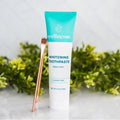
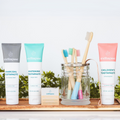
As of now, you won’t typically find these toothpastes from the big legacy brands in every supermarket, but they are rapidly gaining ground in the oral care market. In Japan, HAp toothpaste has been on shelves since the 1980s and became mainstream by the 1990s. In the West, smaller health-oriented brands have led the charge, often positioning HAp pastes as premium or specialty products. There are now several hydroxyapatite for teeth brands available, especially online and in natural product stores. For instance, Wellnesse offers a fluoride-free hydroxyapatite toothpaste as part of its oral care line. Such products are often marketed as the best natural toothpaste option for remineralization and cavity prevention. You can easily buy hydroxyapatite toothpaste online through these companies’ websites or major retailers. Some formulas combine hydroxyapatite with other safe toothpaste ingredients like xylitol, natural extracts, or even probiotics for a holistic approach. When choosing, here are a few tips:
- Check the concentration: Not all brands list this, but if they do, around 5-10% hydroxyapatite content is common. Higher isn’t necessarily better, but it should be sufficient to be effective. As noted, scientists consider up to 10% to be safe and effective in toothpaste.
- Nano vs. micro: Most products use nano-hydroxyapatite because the ultra-small particles are thought to integrate into enamel better. If a product just says “hydroxyapatite,” it’s likely nano-sized unless specified otherwise. Nano particles give a silky smooth texture to the paste and disperse well while brushing.
- Flavor and feel: Since HAp pastes are often fluoride-free and SLS-free, the taste and foaming might be different from a conventional toothpaste. Many use mild flavors and lower-foaming formulas. This is generally a plus for people who dislike the strong mint burn of some big-brand pastes.
- Targeted benefits: Some hydroxyapatite toothpastes are geared toward specific needs. For example, a whitening version, an oral microbiome-support version with probiotics, or a kid-friendly version with a fruity flavor. Choose one that fits your personal goals.
Because hydroxyapatite toothpastes are typically non-fluoride enamel toothpaste products, they appeal to those avoiding fluoride for personal health reasons. The oral care market is evolving, and HAp is at the forefront of that change.
Additional Tips on How to Strengthen Teeth
By now, we’ve established that using hydroxyapatite toothpaste is a fantastic answer to how to strengthen tooth enamel. But toothpaste is just one piece of the puzzle. A truly strong, healthy smile comes from a combination of good habits and smart choices. Here are some additional tips to complement your use of hydroxyapatite for maximum tooth strength:
- Maintain a tooth-friendly diet: Your enamel benefits from nutrients like calcium, phosphate, and vitamins D and K. Eating a balanced diet rich in dairy or fortified plant milks, leafy greens, almonds, and other calcium-rich foods helps provide the building blocks for enamel from the inside out. Avoid excessive sugary snacks and acidic drinks; when you do consume them, rinse your mouth with water afterward to neutralize acids.
- Practice good oral hygiene: This might sound obvious, but brushing twice a day and flossing daily are fundamental. Even the best toothpaste can’t help if it’s not used properly. Make sure to brush gently with a soft-bristled brush. Aggressive scrubbing can wear enamel.
- Stay hydrated and consider your saliva: Saliva is your body’s natural defense for enamel, as it bathes the teeth in a slightly basic fluid rich in calcium and phosphate. Drinking water regularly and perhaps chewing sugar-free gum to stimulate saliva can help your enamel stay in a neutral, remineralizing environment. A healthy flow of saliva together with hydroxyapatite toothpaste creates ideal conditions for enamel repair.
- Regular dental checkups: See your dentist for regular exams and cleanings. Dentists can spot early signs of enamel demineralization and will be thrilled if you’re using a remineralizing agent like HAp to address them. They can also give personalized guidance, such as applying professional treatments if needed.
- Avoid over-bleaching or abrasive scrubs: Many people wanting stronger, whiter enamel might be tempted by whitening kits or charcoal abrasives. Be cautious. Overusing whitening chemicals or highly abrasive agents can actually weaken enamel. Hydroxyapatite offers a gentler way to keep teeth bright. If you do whiten, do it under guidance and give your teeth plenty of remineralization afterward.
By combining these strategies with a high-quality hydroxyapatite toothpaste, you’re adopting a comprehensive approach to enamel health. You’re not only preventing problems but actively making your teeth stronger year after year.

Hydroxyapatite represents a true meeting of nature and science. On one hand, it’s a substance our bodies produce and use to build teeth. On the other hand, modern science has packaged it into a convenient toothpaste form that can undo the earliest stages of decay and strengthen our smiles. This natural toothpaste with hydroxyapatite brings us back to basics, healing and protecting teeth with the very mineral that teeth are made of. For anyone looking for the best natural toothpaste alternative to fluoride or simply aiming to enhance their enamel, hydroxyapatite is an exciting option. Its ability to remineralize, reduce sensitivity, and guard the tooth surface, all while being safe enough to swallow, sets it apart in the oral care aisle. As research continues, we may see hydroxyapatite become a new standard in toothpaste formulations worldwide.
Sources
- UT Health San Antonio News (2023) – Study shows toothpaste with ‘artificial enamel’ ingredient restores enamel, is more effective than fluoridenews.uthscsa.edu
- Journal of Pharmacy and Bioallied Sciences (2021) – Functional Role of Inorganic Trace Elements on Enamel and Dentin Formationpmc.ncbi.nlm.nih.gov
- Arbor Falls Dental (2023) – Hydroxyapatite for Dental Care: Natural Tooth Protection & Restorationarborfallsdentalandwellness.com
- GoodRx Health – Hydroxyapatite Toothpaste vs. Fluoride: Which Is Better for Your Teeth?goodrx.com
- European Journal of Dentistry (2019) – Enax & Meyer et al., Hydroxyapatite in Oral Biofilm Managementthieme-connect.com
- Ollie Smile Blog – What Do Studies Say About Hydroxyapatite Toothpaste Effectiveness?olliesmile.com
- Healthline (2021) – How Hydroxyapatite Toothpaste Helps Tooth Remineralizationhealthline.com


