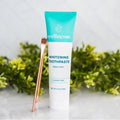



Using toothpaste for daily use that also whitens can be tricky if you have other dental concerns. While many whitening pastes lift stains well, some can irritate sensitive teeth or wear down enamel over time. If you're concerned about enamel safety, learn more about whether whitening toothpaste can damage enamel. That’s why choosing a formula that brightens while protecting your teeth is essential. The right balance will help you avoid discomfort and preserve your oral health. Look for labels that mention enamel protection or gentle ingredients. Daily brushing lets your teeth stay clean, white, and strong. Thoughtful choices lead to long-term results and fewer dental problems.
How Whitening Toothpastes Work
Stain-Lifting Abrasives
Many whitening formulas use gentle abrasives to clean teeth more effectively than regular toothpaste. Ingredients like hydrated silica and baking soda scrub away surface stains without being too harsh. This stain-lifting toothpaste doesn’t bleach teeth; instead, it removes discoloration from foods and drinks that build up over time. The scrubbing action helps reveal your teeth's natural color, making your smile whiter. However, using a product designed for safe daily use is essential to prevent excessive enamel wear. Choosing pastes that are safety-tested ensures stain removal without harming your teeth.
Peroxide-Based Agents
These formulas break down stains that have entered the enamel, giving more noticeable results over time. If you're wondering exactly when to expect changes, here's how long it takes for whitening toothpaste to work. If you're looking for a safe teeth-whitening toothpaste, this type can be effective when used properly and as directed. While peroxide concentration in toothpaste is lower than in professional treatments, consistent use helps lighten discoloration without causing harm. People with sensitive teeth should choose products with lower peroxide content to avoid discomfort.

Optical Brighteners
Some products include optical brighteners, which don’t actually remove stains but make teeth appear whiter temporarily. These special compounds leave behind a blue-toned layer on the surface of your teeth, which tricks the eye into seeing less yellow. This is useful for events or short-term improvements, but doesn't replace long-term whitening efforts. For those wanting a quick fix, whitening toothpaste can be a good addition to their routine. However, combining it with regular brushing and flossing remains important for maintaining oral cleanliness.
Daily Use vs. Periodic Use
Reading the label helps you know how often it’s safe to use a whitening product. Some toothpastes are made for daily brushing, while others are stronger and meant only for occasional use. Products labeled for toothpaste for enamel protection usually contain ingredients that help strengthen and protect your teeth, even with frequent brushing. If toothpaste is too abrasive or contains a high level of bleaching agents, it may only be suitable a few times a week. Follow directions on the tube closely to avoid overuse.
Comparing to Other Whitening Products
When considering options for a brighter smile, it’s important to understand how whitening toothpastes compare with other whitening methods, such as at-home kits and professional treatments. Whitening toothpastes primarily work by using mild abrasives and low concentrations of bleaching agents to remove surface stains. While they are convenient for daily use and can gradually brighten your smile, their effects are generally limited to external discoloration and may take several weeks to become noticeable. In contrast, at-home whitening kits typically contain higher concentrations of peroxide-based bleaching agents. These products are designed to stay in contact with your teeth for longer periods, allowing them to penetrate deeper and address more stubborn stains. Results from at-home kits are often more pronounced and can appear within days to weeks, though there is a higher risk of tooth sensitivity if overused. Professional whitening treatments, performed by dental professionals, offer the most dramatic and immediate results. These in-office procedures use the highest concentrations of bleaching agents and may incorporate light or laser activation, delivering several shades of improvement in a single session. However, professional treatments tend to be the most expensive option.
Fluoride vs. Nonfluoride Toothpaste Formulas
The Disadvantages of Fluoride
Excessive fluoride exposure can lead to several health concerns, especially when consumed over extended periods or in high concentrations. One of the most common effects is dental fluorosis, a condition that develops in children during tooth formation, resulting in discoloration, white spots, or pitting of the enamel. In more severe cases, skeletal fluorosis may develop, where fluoride accumulates in the bones, leading to pain, stiffness, and an increased risk of fractures. Additionally, high fluoride levels have been associated with thyroid dysfunction, particularly hypothyroidism, as it can interfere with iodine uptake. Its overconsumption raises significant public health concerns.
Nano-Hydroxyapatite and Xylitol
For individuals avoiding fluoride, there are adequate substitutes that offer similar benefits without the mineral. Nano-hydroxyapatite, a naturally occurring compound in teeth, helps rebuild and protect enamel. Xylitol, a sugar alcohol, can reduce bacteria that cause plaque and decay. These ingredients are often used in fluoride-free whitening toothpaste for those concerned about chemical exposure or with medical conditions that limit fluoride use. These natural alternatives are also less likely to irritate sensitive teeth, making them popular among people looking for gentle oral care. Selecting a paste with these elements allows you to safely whiten while caring for enamel.
Who Should Use Fluoride-Free Whitening Toothpaste
Those with fluoride sensitivity or preferences for organic personal care might benefit from whitening toothpaste without fluoride. These formulas often rely on mild abrasives and natural remineralizing agents to achieve whitening results. It’s essential to ensure the product remains effective at protecting against decay. People living in areas with fluoridated water may also choose to limit their total fluoride intake. Consider discussing options with a dental professional before making a change.
Selecting the Right Whitening Toothpaste for Sensitive Teeth
Key Ingredients for Sensitivity Relief
Two ingredients often included in sensitivity-friendly formulations are potassium nitrate and arginine. These ingredients work differently but offer noticeable relief when used regularly.
-
Potassium Nitrate: When applied through daily brushing, it infiltrates the tooth’s tubules and interacts with the nerve endings, desensitizing them over time. Rather than addressing the enamel or dentin's structural integrity, potassium nitrate interrupts the nerve’s ability to transmit pain signals to the brain. This makes it ideal for those who suffer from generalized sensitivity triggered by stimuli such as temperature changes, sugar, or touch. Approved for use in many over-the-counter desensitizing toothpastes, potassium nitrate has a long-standing reputation for both safety and effectiveness. When paired with whitening agents like hydrogen peroxide or baking soda, it provides a dual-action formula, reducing discomfort while brightening enamel. Consistent daily use is recommended for best results, as the nerve-calming effect builds gradually with regular application.
-
Arginine: Unlike potassium nitrate, which numbs nerve response, arginine works at the structural level to physically block the microscopic dentin tubules that expose nerves to external stimuli. It does so by encouraging the deposition of calcium and phosphate on the tooth surface, forming a protective, mineral-rich layer. This layer seals the tubules, creating a barrier that reduces sensitivity triggers such as cold air or acidic foods. The effect of arginine is often rapid, and it can be found in formulations that include calcium carbonate to enhance remineralization. One of the key advantages of arginine-based toothpastes is that they do not interfere with whitening agents. Instead, they work synergistically to keep the whitening process going while maintaining a comfortable brushing experience.
By understanding how each ingredient works, users can make informed choices and feel more confident when selecting a whitening product tailored to their dental sensitivities.
Choosing a Non-Abrasive Whitening Toothpaste Safely
One must understand the safety of whitening toothpastes, particularly for individuals with sensitive teeth or dental restorations. Too much scrubbing can worsen sensitivity, especially if the enamel is already thin. Selecting a non-abrasive whitening toothpaste with gentle polishing agents like hydrated silica helps maintain a clean surface without irritation. These options are typically tested for low abrasion and labeled accordingly. You can also check for the RDA (Relative Dentin Abrasion) score on the packaging or the manufacturer’s website. A lower RDA rating means it’s gentler on your teeth. These pastes are usually approved through clinical testing, which supports their claims for long-term use. Look for the ADA (American Dental Association) seal or equivalent certifications to confirm the product’s quality. Personalized suggestions ensure you use a product suited to your unique dental health needs.
Evaluating Special Ingredients and Trendy Formulations
Is Charcoal Whitening Toothpaste Safe and Effective?
Charcoal-based products have become a trendy alternative to traditional whitening formulas. They promise to draw out impurities and lift stains using activated charcoal naturally. This ingredient is visually striking and often marketed as eco-friendly. A dentist-recommended toothpaste can offer some stain removal benefits due to its porous structure, which binds to surface discoloration.
Whitening Toothpaste Without Fluoride
One might prefer a whitening product without fluoride for many reasons, including medical concerns, lifestyle choices, or ingredient sensitivities. When selecting a toothpaste to fight discoloration, verifying that it still supports enamel health through other means is crucial. Look for added components like calcium-based minerals or plant-derived agents that reinforce the tooth surface. Regular brushing and routine dental visits become even more critical when relying on a non-fluoride approach to avoid decay.

Buying Tips and Best Practices for Daily Whitening Use
Where to Buy Whitening Toothpaste Online
Finding the right brand can be overwhelming, with so many options on the market. The most trusted names in oral care typically have a long-standing reputation for effectiveness. Brands like Wellnesse offer multiple whitening products to suit different needs, from sensitivity relief to enamel protection. When shopping for top toothpaste brands, consider whether dental professionals have clinically tested and reviewed the product. Buying online can often provide more variety and access to customer reviews and product comparisons. You’ll also be able to find exclusive formulas or specialized pastes that aren’t available in local stores. Always look for official brand listings or certified health retailers to guarantee you’re getting a safe product. Many brands now offer subscription services that regularly deliver your preferred toothpaste to your door. This helps ensure you never run out and promotes consistent use, which is key to achieving visible whitening results. Bulk packs are another smart option, especially for families or individuals sharing the same product. These bundles often come at a discounted rate compared to individual tubes. Choosing a toothpaste for daily use that offers value through multi-packs can reduce overall expenses.
How to Brush for Best Results
Proper brushing technique ensures that whitening agents come into full contact with all tooth surfaces. Here are a few important steps to maximize your results when brushing with a whitening toothpaste:
-
Use a Soft-Bristled Toothbrush: A soft-bristled toothbrush is highly recommended when using whitening products because it balances effectiveness with gentleness. Whitening toothpastes often contain mild abrasives or active agents like baking soda, silica, or peroxide, which help lift surface stains. Pairing them with a hard-bristled brush can increase the risk of enamel erosion and gum recession, especially with overly aggressive brushing. Soft bristles are flexible enough to reach crevices along the gumline and between teeth without causing trauma. They also distribute the toothpaste more evenly across the enamel surface, improving contact time and coverage. Using circular or gentle back-and-forth motions with a soft-bristled brush helps lift discoloration without damaging the tooth’s outer layer. Many dental professionals agree that a softer brush supports better long-term oral health and enhances the safety and comfort of daily whitening routines. Soft bristles are a critical component of any whitening regimen for those with sensitive teeth or receding gums.
-
Brush for at Least Two Minutes: To gain the full benefit of a whitening toothpaste, it’s essential to brush for a minimum of two minutes, 30 seconds per quadrant of your mouth. This ensures each surface gets enough contact time with the active ingredients to begin lifting stains and polishing enamel. Areas prone to discoloration, such as the front teeth and chewing surfaces of the molars, require special attention. A timer or an electric toothbrush with a built-in timer can help maintain consistency. Prolonged brushing allows the whitening agents to activate effectively and improves plaque removal and breath freshness. A thorough approach is critical when dealing with tough stains from coffee, tea, wine, or tobacco, as quick brushing often misses the grooves and textured areas where discoloration accumulates.
-
Don’t Rinse Immediately: Spitting out the excess foam without rinsing preserves this contact time, allowing agents like hydrogen peroxide or baking soda to linger and further reduce stains. Rinsing with water immediately dilutes and washes away these ingredients, cutting short their efficacy. If you prefer to rinse, consider using a whitening mouthwash that complements your toothpaste, but even then, waiting a few minutes after brushing can enhance results. This technique is especially beneficial before bed, as nighttime provides uninterrupted hours for the remaining agents to stay on your teeth. Incorporating this minor tweak into your routine can boost the overall effectiveness of your whitening efforts without requiring any additional products or steps.
-
Avoid Eating or Drinking for 30 Minutes: Giving your teeth a rest period after brushing helps protect the work you've just done and prevents immediate staining. During brushing, your enamel surface becomes more receptive, and the active ingredients temporarily leave your teeth more vulnerable to absorbing color from food or beverages. Consuming coffee, red wine, dark berries, or tomato-based sauces right away can easily reintroduce stains, diminishing your progress. Waiting at least 30 minutes allows any remaining compounds to finish working and set into the enamel. This pause also supports rehydration of the enamel and helps the saliva’s natural buffering action restore pH balance in your mouth. Drinking water during this waiting period is fine and can even help further cleanse your teeth.
Simple yet powerful steps form a foundation supporting enamel health while enhancing your smile’s radiance, proving that technique matters as much as ingredients.
Monitoring Progress
Tracking your whitening progress can help you determine whether your toothpaste is effective and whether you should continue using it long-term. Taking clear, natural-light photos every week can give you a visual record of improvement that you might overlook day to day. But while consistency is important, overusing a whitening product can lead to enamel thinning or increased sensitivity.

Frequently Asked Questions
Choosing the right whitening toothpaste can be confusing, especially with so many options and unique dental needs. Here are answers to common questions about seeking professional guidance and why personalized recommendations matter.
Why should I ask my dentist before choosing a whitening toothpaste?
Dentists can assess your oral health, identify sensitivities, and recommend products that are safe and effective for your specific needs, helping you avoid potential issues and maximize results.
Can my dentist help if I have sensitive teeth or dental restorations?
Yes, your dentist can suggest whitening toothpastes formulated for sensitive teeth and advise on safe options if you have crowns, fillings, or veneers, ensuring you don’t cause damage.
How often should I discuss my whitening routine with my dentist?
It’s best to review your whitening routine during regular dental check-ups, or sooner if you notice increased sensitivity, gum irritation, or unsatisfactory results from over-the-counter products.
What are the risks of choosing a whitening toothpaste without professional input?
Using the wrong product may worsen sensitivity, damage enamel, or be ineffective for your stains. Professional advice ensures your choice supports both whitening and overall oral health.
Can dentists recommend alternatives if whitening toothpaste isn’t suitable for me?
Absolutely. Your dentist can suggest alternative whitening methods or treatments tailored to your dental history, lifestyle, and goals, ensuring you achieve safe and effective results.
Choosing a whitening toothpaste that works is just one part of the equation. Dental visits help catch problems early and provide professional cleanings that enhance your results. The effectiveness of your whitening efforts depends on the consistency of your care. Discover Wellnesse's clean, effective whitening toothpaste formulas made with ingredients you can trust. Making informed choices and following through with daily effort leads to a smile that’s whiter and more resilient over time.


