

You take a sip of iced tea and feel a quick zing, or notice that your teeth look a little more yellow than they used to. Those changes are easy to brush off, but they can be early signs of enamel loss.
Enamel is the thin, hard shell that protects every tooth. Once it wears down, it does not grow back on its own. However, daily care can help protect your enamel and prevent it from weakening over time.
This guide explains what enamel loss is, what causes it, and how to deal with tooth enamel loss with simple daily habits. You will also learn when it is time to call your dentist.
What Is Tooth Enamel, and Why Does It Matter?
Enamel is the hard outer layer of each tooth. It is the hardest tissue in the human body and is made mostly of a calcium and phosphate-based mineral called hydroxyapatite. Its main job is to protect the softer dentin underneath from acids, wear, and the pressure of everyday chewing.
When enamel thins, the layer beneath it, called dentin, becomes more exposed. Dentin ranges from grayish-white to light yellow, and it reacts more to heat, cold, and sweets. That is why enamel loss often shows up as both a color change and a tender tooth.
If left unchecked, the thinner enamel can raise the risk of cavities, chipping, and ongoing sensitivity. Catching it early gives you far more options.
Common Signs of Enamel Loss
Enamel loss rarely happens overnight. It occurs gradually, often so slowly that you may not notice it at first, and the early signs of erosion are easy to mistake for normal wear. A twinge when you drink something cold or a smile that looks slightly darker than before may seem minor, but both can mean your enamel is starting to wear away.
Knowing what to look for helps you catch it early, when you have the most options. According to Cleveland Clinic, early warning signs include:
- Tooth sensitivity
- Discoloration
- Chipped teeth
- Small pits on the tooth surface
As enamel erosion gets worse and moves closer to the tooth's nerve, discomfort can become more noticeable.
You do not need to notice multiple symptoms before taking action. Book a dental visit as soon as you feel sensitivity or see visible changes like chips, pits, or discoloration.
What Causes Tooth Enamel Loss?
Enamel erosion rarely comes from a single cause. For most people, it develops from a combination of everyday habits, health conditions, and sometimes genetics. Because the damage builds slowly, the early signs are easy to miss, so it helps to know what to look for.
Acidic and Sugary Foods and Drinks
Acid is the biggest everyday culprit. The American Dental Association explains that foods and drinks high in acid wear away the enamel that protects your teeth.
Soda and sports drinks are also common sources. So are citrus fruits, sour candy, and carbonated drinks. Even natural options like orange juice and fresh lemonade are more acidic than plain water and can slowly erode enamel.
Sugar-free soda can still contribute to enamel erosion because carbonation makes it acidic, even when it contains no sugar. Sugar poses a different risk: bacteria in plaque feed on it and produce acids that can lead to tooth decay.
Acid Reflux
With chronic acid reflux (GERD), stomach acid reaches the mouth repeatedly. The ADA notes that acid reflux can lead to erosion, along with sensitivity, yellowing, and a higher cavity risk.
If you have frequent heartburn, mention it to both your doctor and your dentist.
Teeth Grinding
Clenching and grinding your teeth, a habit known as bruxism, puts repeated pressure and friction on your teeth. Over time, this wears enamel down and can cause small cracks or chips along the biting edges.
Grinding usually happens during sleep, so many people don’t know they do it until a dentist spots the wear. Signs to watch for include waking up with a sore or tight jaw, teeth that feel more sensitive than usual, and dull headaches in the morning.
If you notice any of these, a dentist can check for wear and may suggest a night guard to protect your enamel while you sleep.
Dry Mouth
Saliva is one of your teeth’s best natural defenses. It rinses away food particles, neutralizes harmful acids that wear down enamel, and delivers the calcium and phosphate that help remineralize and strengthen your teeth.
When your mouth doesn’t produce enough saliva, that protection drops off, and enamel becomes more vulnerable to erosion and decay. Dry mouth is often a side effect of certain medications, but it can also come from underlying health conditions or a habit of breathing through your mouth, especially while sleeping.
Our guide to mouth breathing explains how that habit can affect your mouth.
Other Factors
Certain genetic conditions can affect enamel development, contributing to enamel erosion. If this applies to you, talk with your dentist.
Can Enamel Grow Back?
Enamel that has been fully worn away does not regrow. Your body cannot replace it the way skin heals a scrape.
But there is an important distinction between lost enamel and weakened enamel.
Every day, minerals move out of your teeth when acid is present. That is called demineralization. Minerals move back in from saliva and from the products you use. That is called remineralization.
When the second process keeps up with the first, early weak spots can be supported before they turn into bigger problems. Our article on the science behind tooth remineralization goes deeper on this balance.
|
Key Insight: Lost enamel cannot be replaced, but early mineral loss can be supported. The goal of any enamel routine is to tip the daily balance toward remineralization and protect what you have. |
7 Everyday Habits to Prevent Tooth Enamel Loss
You do not need a complicated routine to protect your teeth. The goal is to minimize the factors that wear down enamel while helping preserve and strengthen what remains.
Most of these habits take seconds, so pick one or two to start and add more as they become automatic.
1. Rethink How You Drink Acidic Beverages
You don’t have to give up every acidic drink. What matters most is how often you consume them and how long the acids stay in contact with your teeth.
A glass of orange juice with breakfast is very different from sipping a soda or sports drink for an hour, because every sip renews the acid attack and gives your saliva less time to neutralize it and help your enamel recover.
- Use a straw when you do have soda, juice, or lemonade.
- After an acidic drink, rinse with water, drink milk, or have a bite of cheese. Dairy and other calcium-rich foods help neutralize acid.
- Save juice, soda, and lemonade for an occasional treat rather than a daily habit.
2. Wait Before You Brush
Right after something acidic, enamel is temporarily softer. Brushing at that moment can wear it down faster.
The ADA recommends waiting an hour after acidic foods so saliva can wash away acids and re-harden your enamel. For meals in general, Cleveland Clinic suggests at least 30 minutes after eating. However, if what you had was acidic, like citrus or soda, aim for the full hour.
A quick water rinse in the meantime is a good middle step.
3. Brush Gently, Twice a Day
Use a soft-bristled brush, gentle pressure, and short, tooth-wide strokes. Let the bristles do the work.
Two minutes, twice a day, is plenty. Floss once a day to clear plaque and food particles from between your teeth, where a brush cannot reach.

4. Choose a Hydroxyapatite Toothpaste
Since brushing is already part of your daily routine, choosing the right toothpaste is a simple, practical way to support enamel protection.
Hydroxyapatite is a mineral found in tooth enamel. The tiny hydroxyapatite particles in toothpaste can help smooth microscopic imperfections in the enamel surface and support the natural remineralization process.
A 2025 systematic review and meta-analysis of four in-situ trials in children, adolescents, and young adults under 25 found no significant difference between fluoride-free hydroxyapatite and fluoride toothpastes for new or progressing lesions.
The authors concluded that hydroxyapatite toothpaste could be an effective alternative for preventing cavity progression and supporting enamel remineralization. This evidence applies to the formulations studied and does not establish the same result for every hydroxyapatite toothpaste.
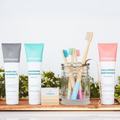
Wellnesse hydroxyapatite toothpaste is fluoride-free and made with micro-hydroxyapatite. The collection includes Whitening, Charcoal, Strawberry, Cinnamint, Spearmint, and Vanilla Berry flavors, with options for adults and children.
For more on why the particle size matters, read about micro-hydroxyapatite benefits.

5. Add a Concentrated Mineral Boost
If you want to add a concentrated enamel-care step to your routine, the Wellnesse Hydroxyapatite Varnish can be used alongside your toothpaste. It contains 10% micro-hydroxyapatite in two particle sizes, along with xylitol, L-arginine, and aloe vera.
Here is how to use it:
- Apply it to your teeth with a toothbrush or your finger.
- Let it sit for 30 minutes.
- Rinse gently with water.
- Use it once a day.
It is an easy once-a-day step to add to your evening routine.

6. Keep Saliva Flowing
Saliva helps protect your teeth, and a few daily habits can help keep it flowing and support your oral health.
- Drink water throughout the day.
- Chew sugar-free gum after meals to stimulate saliva production. You can also let one mint oral probiotic dissolve in your mouth after eating and brushing. Each tablet contains four probiotic strains, xylitol, and calcium hydroxyapatite.
- If you often wake up with a dry mouth or suspect you breathe through your mouth at night, mention it to your dentist or doctor. They may suggest simple ways to encourage nasal breathing while you sleep, such as using mouth tape to keep your lips closed overnight.

7. Protect Your Teeth Overnight
Because teeth grinding often happens during sleep, many people don’t realize they’re doing it. Acid reflux can also be more problematic at night, exposing your teeth to stomach acid that can erode enamel.
The ADA recommends not eating for three hours before bedtime to help reduce reflux episodes. If you think you may be grinding your teeth, ask your dentist whether a custom night guard could help protect them while you sleep.
|
Quick Routine: Water rinse after acidic drinks, wait before brushing, soft brush with a hydroxyapatite toothpaste twice a day, floss once a day, and a mineral boost at night. |
What About Whitening While Dealing With Enamel Loss?
It is a common worry. When enamel gets thin, teeth can look darker, so people reach for whitening products.
Choose gentle options and avoid harsh scrubs, home remedies with abrasive powders, or anything that feels gritty. If whitening matters to you, our article on whether whitening toothpaste damages enamel explains what to look for.
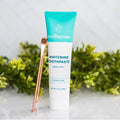
Wellnesse Whitening Toothpaste uses hydroxyapatite and contains no hydrogen peroxide, so it can lift everyday surface stains while its formula helps remineralize enamel.
When to See a Dentist
Home care can help protect your enamel, but it cannot replace a dental evaluation when symptoms appear.
See your dentist if you have sharp or lingering pain, visible chips, deep pits, or sensitivity that is getting worse. Your dentist can assess the damage, look for causes such as grinding or reflux, and explain whether treatment such as bonding, veneers, or crowns may be appropriate.
Routine dental checkups are one of the best ways to stay on top of your dental health. They give your dentist the chance to spot early signs of enamel wear, often before you notice any changes yourself.
The dentist can also recommend oral-care products that suit your needs and help protect your teeth. If you’re not sure which products are right for you, bring it up at your next visit.
Build an Enamel-Care Routine
Protecting your enamel is mostly about repeating a few simple habits. Limit acidic and sugary drinks, brush gently, and follow the routine you can keep up with every day.
If you’d like to incorporate Wellnesse products into your daily oral-care routine, start with the ones that suit your needs and fit naturally with the habits you already have. If you’re dealing with enamel erosion or tooth sensitivity, talk to your dentist first. They can help you choose the products that are best for your teeth.


