

Is charcoal toothpaste good for your teeth? It depends on your brushing habits.
Charcoal paste lifts everyday stains from the surface of your teeth, and it does that job best as a targeted treatment rather than your twice-a-day paste. Used daily or with a heavy hand, charcoal's natural scratchiness can start working against you.
If used the way dentists recommend (2-3 times weekly), with charcoal that's balanced by remineralizing hydroxyapatite, it earns a regular place in your routine. The difference comes down to how often you reach for it, how gently you brush, and what you use in between.
We explore what charcoal toothpaste ignores and whether it belongs in your morning regimen. By the end, you will have a clearer picture of what works. This knowledge empowers you to make smarter choices for your oral care.
What Dentists Say About Using Charcoal Toothpaste
When dentists evaluate any toothpaste, they look at more than how clean it makes your teeth feel. They consider how well it supports enamel, helps manage cavity risk and tooth decay, protects gums, and fits into a realistic daily routine.
Charcoal toothpaste can have a place in oral care, especially for people looking to freshen their smile. Its mild polishing action appeals to many users, though dentists focus less on how it feels and more on what it does over time.
The main point dentists emphasize is choosing the right formula and using it thoughtfully. Toothpaste abrasiveness is often measured using the Relative Dentin Abrasivity scale, and some charcoal formulas may rank higher than gentler everyday options.
That is why it helps to choose a formula designed with enamel care in mind and to brush with light pressure using a soft-bristled toothbrush.
Another factor dentists consider is remineralization support. Many conventional toothpastes use fluoride for this purpose, while some modern formulas use alternatives like hydroxyapatite.
If you choose a charcoal toothpaste, selecting one that includes enamel-supportive ingredients can make it a more well-rounded option for your routine.
Gum comfort matters, too. People with sensitive gums or a habit of brushing aggressively may want to be especially mindful of texture and pressure. A gentler approach reduces the risk of gum irritation and enamel wear over time.
Product quality matters here. A charcoal toothpaste that combines polishing power with remineralization support can offer a more complete approach than charcoal alone.
Understanding how charcoal toothpaste works helps you set realistic expectations for results. Here's how charcoal toothpaste compares to other common options when it comes to key oral health features:
|
Toothpaste Type |
Primary Strength |
Best For |
|
Charcoal |
Surface stain removal |
Cosmetic brightening |
|
Hydroxyapatite |
Enamel remineralization |
Sensitive teeth & enamel support |
|
Pro Tip: Always brush with gentle, circular motions for two minutes using a soft-bristled toothbrush. This protects your enamel while still allowing charcoal to polish away surface stains effectively. |
Potential Benefits of Charcoal Toothpaste
Charcoal toothpaste offers two main benefits worth understanding: surface-stain removal and a noticeably clean feeling after brushing. Both are cosmetic rather than clinical, but knowing what each involves helps you use charcoal in a way that supports your smile goals.
Helps Remove Surface Stains
Surface stains are the external discoloration that can build up from everyday favorites like coffee, tea, red wine, and certain deeply colored foods. Charcoal toothpaste can help polish away some of this buildup, which may leave teeth looking cleaner and brighter.
This makes it a practical option for people who want a simple way to refresh the appearance of their smile between professional cleanings or whitening treatments. Results can vary depending on the formula, brushing style, and the type of stains present, but many users appreciate the visible freshening effect.
For best results, choose a charcoal toothpaste formulated with enamel care in mind and follow the gentle brushing technique described in the pro tip above.
|
Key Insight: Charcoal toothpaste removes external stains from coffee and wine but won't change your teeth's natural shade. Think of it as a polish for existing teeth, not a color transformation |
Leaves Teeth Feeling Cleaner
One of the biggest reasons people like charcoal toothpaste products is the way they feel. After brushing, many users describe their teeth as smooth, polished, and extra fresh.
That sensory payoff can make brushing feel more satisfying, which may encourage consistency in your routine. A toothpaste that makes your mouth feel clean and refreshed can be a motivating part of morning and evening care.
Charcoal's texture contributes to that polished feeling by helping sweep away surface buildup. The Wellnesse philosophy is that oral care should feel effective, enjoyable, and easy to maintain, and a satisfying mouthfeel plays a real role in keeping people consistent with their habits.
Wanting a pristine mouthfeel is completely reasonable. The key is choosing a formula that gives you the clean feeling you want while also supporting the long-term health and appearance of your smile.
 |
|
| CHECK PRICE |
Is Charcoal Toothpaste Safe for Everyday Use?

Charcoal toothpaste can fit into a daily routine when the formula is designed for repeated use rather than occasional deep cleaning. Here are the factors that determine whether a specific product is a good everyday match:
- Choose a formula designed for gentle polishing rather than aggressive scrubbing.
- Brush with light pressure and a soft-bristled toothbrush.
- Look for enamel-supportive ingredients, such as hydroxyapatite.
- Pay attention to how your teeth and gums feel over time.
- Pair your toothpaste with consistent brushing, flossing, and regular dental visits.
The conversation around fluoride-free formulas is also worth understanding. Most people prefer to avoid fluoride in toothpaste to prevent the formation of white streaks, acute stomach upset, and toxicity among children.
For everyday use, the most important factor is whether the formula was built for daily repetition, not just occasional brightening. If it checks the boxes above, charcoal toothpaste can be a reliable part of your morning and evening routine.
Why Fluoride-Free Charcoal Toothpaste Deserves a Closer Look
If you are exploring charcoal toothpaste, you have probably noticed that many formulas, including Wellnesse, are fluoride-free. There are real reasons why a growing number of consumers and health professionals are moving away from fluoride in daily oral care.
Research findings show that even short-term exposure to high fluoride concentrations quickly damages enamel and that chronic exposure at concentrations several times lower than currently approved tap-water standards causes similar damage.
Beyond enamel, fluoride has been linked to broader health concerns:
- Thyroid disruption. Multiple studies show fluoride can suppress thyroid-stimulating hormone (TSH)
- Neurodevelopmental risk. Fluoride has been classified as a developmental neurotoxin since 2006.
- Skeletal concerns. Overexposure can contribute to skeletal fluorosis, a condition that causes bone stiffness, joint pain, and reduced mobility.
- Pediatric safety. In children whose teeth are still developing, excessive fluoride can cause dental fluorosis, permanent white streaks or mottled patches on the enamel. The ADA advises against mixing infant formula with fluoridated tap water for this reason.
None of this means cavity prevention has to suffer. Modern fluoride alternatives, particularly hydroxyapatite, provide remineralization support without these risks. Hydroxyapatite is a biocompatible mineral that mirrors the natural structure of tooth enamel.
It helps repair early mineral loss, supports enamel density, and has been shown in clinical research to rival fluoride's cavity-prevention performance. When a charcoal toothpaste includes hydroxyapatite, you get the cosmetic polishing benefits of charcoal alongside genuine enamel repair, no fluoride required.
For people who want a cleaner ingredient profile, especially parents choosing products for their families, a fluoride-free charcoal toothpaste removes one of the most debated chemicals from the daily routine while still delivering real oral care results.
What to Look for in a Fluoride-Free Charcoal Toothpaste
Not every fluoride-free charcoal toothpaste is created equal. Removing fluoride only matters if the formula replaces it with ingredients that genuinely support your teeth. Here is what separates a well-made option from a marketing-driven one:
- Hydroxyapatite for remineralization. This is the single most important ingredient to look for in any fluoride-free formula. It actively helps restore mineral content in enamel rather than simply cleaning the surface.
- Calcium carbonate as a mild abrasive. This provides gentle polishing without excessive wear on enamel, keeping the RDA score in a safe range for daily use.
- No SLS (sodium lauryl sulfate). SLS is the foaming agent in many conventional toothpastes and a common trigger for canker sores and oral irritation. Formulas that skip it tend to be gentler on gums and soft tissue.
- No parabens, triclosan, or artificial dyes. These additives serve no oral health purpose and introduce unnecessary chemical exposure into a product you use twice a day.
- Natural flavor and antibacterial support. Ingredients like peppermint oil, green tea extract, or aloe vera can freshen breath and help control bacteria without synthetic substitutes.
A transparent, short ingredient list is a strong signal that a product was formulated with purpose rather than padded with fillers. If a charcoal toothpaste checks these boxes, it can serve as a genuine daily-driver product rather than an occasional cosmetic novelty.
Choose Gentle, Effective Oral Care with Wellnesse
So, is charcoal toothpaste good for your teeth? When you choose a thoughtfully formulated option, it can be a smart way to refresh your smile, polish away surface stains, and enjoy that extra-clean feeling many people love.
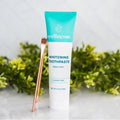
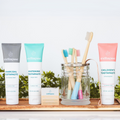
That is where Wellnesse Charcoal Toothpaste stands out. It pairs activated charcoal with hydroxyapatite and other clean ingredients, giving you surface-level brightening and enamel support in a single step.
The formula is also free of fluoride, SLS, glycerin, and artificial additives, making it a fit for adults and families who want a cleaner daily routine without sacrificing results.
For those who want additional enamel support, the Wellnesse Hydroxyapatite Serum is another helpful step. Hydroxyapatite supports enamel by helping maintain strong, healthy-feeling teeth, making it a natural complement to a whitening-focused routine.
Clean daily habits do not have to mean compromise. The right formula, paired with the gentle technique and consistent routine discussed throughout this guide, makes it easier to maintain a fresh, confident smile every day.


