

Whitening toothpaste works gradually, not overnight, and most people need two to six weeks of twice-daily brushing before they see a difference. If you have just switched, knowing that upfront saves you from throwing out a tube that is working, or waiting on one that is never going to shift your stain.
Many people expect instant results, similar to what they might see with professional whitening or whitening strips. Whitening toothpaste works differently: it lifts surface stains over time, brushing after brushing.
Typical Timeline for Seeing Results
Whitening with toothpaste is a cumulative process, not a one-time treatment. Results build with repetition.
Most people start to notice a difference after two to six weeks of consistent use. The exact timing varies, but consistency matters far more than intensity.
|
Timeframe |
Progress |
Most noticeable when |
|---|---|---|
|
1 to 2 weeks |
Earliest changes are subtle; small improvements; surface buildup begins to lift, and teeth can look slightly brighter with twice-daily brushing |
Yellow teeth come from coffee, tea, wine, or everyday habits |
|
2 to 4 weeks |
More visible progress; clearer improvement in brightness |
Mild surface stains |
|
4 to 6 weeks |
Results are usually most noticeable for surface stains by this point; discoloration should look visibly lighter, and your overall smile may appear brighter. |
Surface stains |
How Long Does It Take for Yellow Teeth to Turn White With Toothpaste?
If your yellowing is coffee, tea, red wine or tobacco sitting on the enamel, expect the same two-to-six-week window. If it is dentin showing through from underneath, no toothpaste reaches that far.
Do Whitening Toothpastes Actually Work?
Yes, at one job: lifting stains off the surface. Unlike bleaches, the ADA notes, these products do not change the color of teeth because they can only remove stains on the surface.
Three mechanisms run across the category. Mild abrasives such as hydrated silica or calcium carbonate scrub stain away. Bleaching agents, hydrogen peroxide and carbamide peroxide, break stains into smaller pieces so the color is less concentrated, at lower concentrations over the counter than a dentist uses. Optical brighteners remove nothing: blue covarine deposits a film that changes how enamel reflects light, so teeth look whiter immediately and then do not.
Contact time explains the rest. A whitening tray sits against the teeth for two to ten hours a day, and an in-office gel is applied for up to thirty minutes at far higher strength. Toothpaste gets two minutes, then you rinse it away.
Why Results Vary From Person to Person
No two smiles whiten at the same pace. Your timeline depends on the type of stains on your teeth, the ingredients in your toothpaste, and your daily habits.
Four factors do most of the work.
Type of Tooth Stains
Stains fall into two groups. Surface stains, called extrinsic stains, sit on the outside of the enamel. Deeper stains, called intrinsic stains, live within the tooth.
Whitening toothpaste is most effective on removable surface stains. It cannot fully address deep intrinsic discoloration.
Your natural undertone matters as well. People with naturally yellow teeth often respond faster than those with gray tones.
Brushing Habits and Consistency
Regular, twice-daily use is the single biggest driver of results. Between two and six weeks, consistent brushers often see more uniform lightening of removable stains.
Skipping brushing sessions stretches the timeline. Brushing well every day beats brushing hard once in a while.
Diet and Lifestyle Factors
Everyday habits work against your progress. Coffee, tea, wine, and smoking all add new stains as you go.
Continuing these habits can offset the toothpaste's effect and stretch your timeline.
Tooth Enamel and Natural Tooth Color
Your enamel condition and natural shade are unique to you, so results vary with the severity of your stains and the toothpaste you use.
Healthier, smoother enamel resists staining better. A quality toothpaste aims to restore your tooth's natural brightness, not bleach it to an artificial white.
Can Yellow Teeth Turn White Again?
Back to their own white, yes. Stain lifts and the color underneath returns, usually lighter than the mirror suggests today. Dental work is the exception: only natural teeth can be whitened, not tooth-colored restorations, so a crown or veneer holds its shade while the teeth beside it lighten.
|
Key Insight: Whitening toothpaste can't change your natural tooth color; it can only remove surface stains to restore your teeth's original shade. If you're expecting Hollywood-white results, you'll need professional bleaching treatments instead. |
How to Get the Best Results From Teeth Whitening Toothpaste
Think of your whitening routine as a simple playbook.
- Brush consistently
- Keep up good oral hygiene
- Limit stain-causing foods and drinks
- Schedule regular professional cleanings
Brush Twice Daily
Twice-daily brushing is the foundation. Used morning and night, whitening toothpaste may take two to six weeks before results show.
Make brushing non-negotiable, and give the formula time to work.
 |
 |
|
|
| CHECK PRICE | CHECK PRICE |
|
Key Insight: Whitening toothpaste is not automatically risky for daily use. The right product can be a safe, effective part of your everyday routine when it uses gentle polishing ingredients, supports enamel health, and matches your sensitivity level. |
Use the Right Technique
How you brush matters as much as how often. Brush gently and thoroughly for a full two minutes, reaching every surface of every tooth.
Pair brushing with daily flossing. Cleaning between teeth clears plaque where stains gather. Keep your technique gentle to protect enamel while still lifting surface stains.
Limit Stain-Causing Foods and Drinks

Reducing new stains helps your progress show faster. Coffee, tea, wine, and smoking all slow whitening down.
Rinse with water after staining drinks. Sip through a straw. Cut back on how often you indulge, and your results appear sooner and last longer.
Support Overall Oral Health
Whitening works best alongside the rest of your oral care. Good hygiene and regular cleanings remove the tartar buildup that dulls your smile.
Stronger, smoother enamel naturally resists staining and looks brighter. If you have sensitive teeth, look for formulas that address both whitening and sensitivity.
|
Pro Tip: Strengthen enamel to brighten faster. Ingredients like hydroxyapatite remineralize microscopic damage, creating smoother surfaces that resist new stains. For personalized guidance on achieving whiter teeth, consult your dental professional. |
Why Are My Teeth Still Yellow After Using Whitening Toothpaste?
Six weeks of consistent brushing with nothing to show usually comes down to one of three things.
The stain is inside the tooth. Toothpastes work on extrinsic surface stains and, in the ADA’s words, will not have a significant impact on intrinsic stains, the discoloration sitting within the enamel or the dentin beneath it.
You are replacing stains as fast as you lift them. Coffee, tea, red wine and tobacco go back on daily, and stain removal is not permanent.
Or the tool is gentler than the job. Whitening strips, gels and trays hold peroxide against the tooth far longer, which is why they go further, and why tooth sensitivity and gum irritation come with them. Brushing harder is not the workaround, and enamel worn down by an over-abrasive routine does not grow back. Talk to your dentist, because whiteners may not correct all types of discoloration.
A Naturally Brighter Smile With Wellnesse
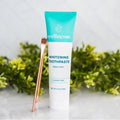
If you want a gradual, natural approach to a brighter smile, Wellnesse whitening toothpaste is an easy switch. Unlike fluoride toothpaste, Wellnesse Whitening Toothpaste is part of a fluoride-free hydroxyapatite line built to work with your teeth instead of relying on harsh bleaching.
Each formula contains micro-hydroxyapatite, a mineral that helps repair microscopic enamel damage and reduce sensitivity over time. Hydroxyapatite supports tooth remineralization, oral biofilm control, and whitening.
Consistent twice-daily use over several weeks lifts surface stains while strengthening enamel to restore its natural whiteness.
Want an extra boost? Try the Wellnesse hydroxyapatite varnish, a concentrated daily treatment with 10% micro-hydroxyapatite in optimized particle sizes.
The mineralizing oral care kit supports the healthy mouth that keeps stains at bay.
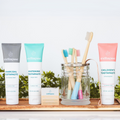
Ready to build a routine you'll actually keep? Explore our toothpaste collection, available in Whitening, Charcoal, Strawberry, Cinnamint, and Vanilla Berry, and start working toward a naturally brighter, healthier smile today.


