

A brighter smile is one of the most common changes people want to make to their appearance, and it’s easy to see why. But before reaching for the nearest teeth whitening product, it's worth understanding what's actually happening to your enamel in the process.
Many popular whitening methods work by stripping away more than just stains. Used the wrong way, they can wear down enamel, the protective outer layer that keeps teeth strong and comfortable. Once enamel is gone, it doesn't grow back.
This article explains what actually causes teeth to stain, which common whitening methods dentists often caution against, and how to brighten your smile in a safer, more natural way.
What Causes Teeth Stains in the First Place?
Not all stains are created equal, and the type of stain you're dealing with affects what will actually help. According to the Cleveland Clinic, dentists generally sort tooth discoloration into two categories: extrinsic and intrinsic.
|
Attribute |
Extrinsic Stains |
Intrinsic Stains |
|
What it is |
Surface-level staining on the outer enamel |
Discoloration from within the tooth, in the dentin layer |
|
Common causes |
Coffee, tea, red wine, berries, soy sauce, tobacco use |
Aging, genetics, dental trauma, certain medications (like tetracycline), too much fluoride during childhood |
|
Can it be prevented? |
Largely yes, with diet and hygiene habits |
Not always. Some causes are outside your control |
|
What helps |
Surface whitening, better oral hygiene |
Often needs professional treatment (bonding, veneers) for real change |
Extrinsic stains are usually what people are trying to address when they look for a whitening solution, and the good news is that they tend to respond well to gentle, natural approaches.
Intrinsic stains are a different story, and no amount of at-home whitening will fully resolve them. Professional teeth whitening or restorative dental work is usually the only route to a visible change.
Teeth Whitening Methods to Think Twice About
Once you know which type of stain you're dealing with, the next question is how to treat it safely. While there are many teeth whitening options out there, not every popular method passes that test.
Over-the-Counter Hydrogen Peroxide Whitening Strips and Trays
Carbamide peroxide and hydrogen peroxide can be effective at breaking down stains, but they do so by penetrating the tooth’s surface. The tradeoff is that peroxide whitening can cause temporary tooth sensitivity and gum irritation.
DIY Lemon Juice and Baking Soda Scrubs
This combination shows up constantly in home-remedy roundups, but lemon juice is highly acidic. Research on acidic beverages and enamel erosion, funded by the National Institutes of Health, found that acidic exposure measurably erodes tooth enamel.
Dentists caution that acid-softened enamel is also more vulnerable to abrasion, which is why pairing an acidic ingredient like lemon juice with a mild abrasive like baking soda is considered risky. The acid softens the surface, and the abrasion can wear it away before it has a chance to re-harden.
Frequent At-Home Bleaching Without Dental Guidance
Even professional-strength whitening can be too much when used too frequently or without guidance from a dentist, potentially exposing your teeth and gums to more bleaching agents than they can comfortably tolerate.
None of this means whitening is off the table. It just means the method matters as much as the goal.
|
Warning/Important: Whitening products that rely on peroxide, acids, or abrasive ingredients can wear down enamel, cause gum irritation, and increase tooth sensitivity, especially with repeated or unsupervised use. |
How to Whiten Teeth At Home Without Damaging Enamel
The good news: the safest path to a brighter smile is also one of the simplest. It just takes consistency rather than intensity.
Brush With a Hydroxyapatite Toothpaste
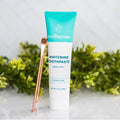
Hydroxyapatite is the mineral that naturally makes up much of your tooth enamel. Toothpaste formulated with hydroxyapatite works with your teeth to support and strengthen the enamel rather than relying on harsh ingredients to whiten them.
Instead of bleaching or scraping away stains, it fills in the microscopic cracks on the enamel surface where staining particles tend to collect. That makes surface stains easier to lift while giving enamel extra support at the same time.
Wellnesse's guide to enamel protection strategies breaks down how mineral toothpastes fit into a daily routine.
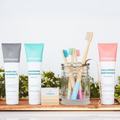
A few of our best-selling formulas below, Wellnesse also makes Cinnamint and Children's Strawberry toothpaste for the rest of the family.
 |
 |
|
|
| CHECK PRICE | CHECK PRICE |
Eat Crunchy Fruits and Vegetables
Apples, celery, and carrots can help gently clean your teeth as you chew, while also stimulating saliva flow that helps wash away food and debris. They won’t dramatically whiten your teeth on their own, but this is an easy habit that can support a cleaner, brighter smile without costing you anything extra.
Rinse After Staining Foods and Drinks
Coffee, tea, and red wine are some of the biggest contributors to extrinsic staining. A quick rinse with water after drinking them, or sipping these colorful drinks through a straw, limits how long those pigments sit on your enamel.
Following up with Wellnesse'sconcentrated mouthwash can reinforce the habit.
Try Oil Pulling, With Realistic Expectations
Oil pulling, or swishing coconut oil around your mouth for several minutes, is a long-standing natural oral care practice.
While research hasn’t shown that oil pulling actually whitens teeth, coconut oil contains lauric acid, which may help reduce certain harmful bacteria, including Streptococcus mutans, that contribute to plaque buildup. Think of it as an optional addition to your oral care routine, not a replacement for brushing and flossing.
Keep Up With Professional Cleanings
Regular dental cleanings remove the plaque and surface stains that brushing alone can’t always reach, helping keep your teeth clean, healthy, and naturally bright.
Between visits, using an electric toothbrush with fast-moving bristles may help remove plaque more effectively, supporting stronger, healthier-looking teeth.
A weekly mineral boost with Wellnesse's hydroxyapatite varnish can also give enamel extra reinforcement.
What to Look for in a Natural Teeth-Whitening Toothpaste

If you're choosing a toothpaste to support natural whitening, a few things are worth checking on the label.
- Look for hydroxyapatite over harsh bleaching agents. It's a gentler way to lift surface stains while supporting enamel rather than wearing it down.
- Skip anything peroxide-based for daily use. Peroxide has its place for occasional, dentist-guided whitening, but it's not meant for everyday use.
- Consider going fluoride-free if that matters to you. Some people prefer a fluoride-free option, especially for younger kids, and formulas built around hydroxyapatite support remineralization without it.
Keep Your Smile Bright With Wellnesse Toothpaste
Wellnesse's hydroxyapatite toothpaste line offers fluoride-free, mineral-focused care in Whitening, Charcoal, Strawberry, Cinnamint, and Vanilla Berry flavors, each formulated to support enamel strength and a naturally brighter smile without peroxide or harsh abrasives.
For a full natural whitening routine, pair your toothpaste with a soft-bristled brush, daily flossing, and regular dental checkups. Explore the full oral care collection to build a routine that supports your enamel every step of the way. Real, lasting results come from consistency, not intensity.


