

A healthy mouth isn’t just about brushing twice a day. It’s about building simple, consistent routines that support your enamel, gums, and oral microbiome so cavities never get a chance to start.
The good news is you don’t need anything complicated. With the right habits in place, your morning and nighttime routines can do most of the heavy lifting for long-term oral health.
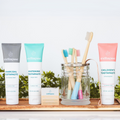
Here’s a simple, science-informed routine using Wellnesse oral care essentials, dentist approved. Plus, why each step helps keep those dental checkups quick, easy, and cavity-free.
Morning Routine: Start the Day Fresh & Protected
Mornings are all about fresh breath, supporting your enamel, and gently disrupting overnight bacteria. Think of it as setting the tone for the day.
Step 1: Brush with a Remineralizing Hydroxyapatite Toothpaste
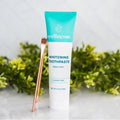
Using a toothpaste formulated to strengthen your enamel is the foundation of any morning routine. The Wellnesse Whitening Remineralizing Toothpaste uses hydroxyapatite along with ingredients like baking soda, xylitol, and green tea to help clean teeth, neutralize acids, remove stains, freshen breath, and support enamel strength.
Micro-Hydroxyapatite works by helping remineralize teeth, making them more resistant to sensitivity and decay over time.
How to use:
Brush for 2 minutes, then spit, but don’t rinse. Leaving a small amount behind can support remineralization.
Step 2: Tongue Scraping
If you want a noticeable boost in freshness, this is a game changer.
Because your mouth is inactive overnight, it's easy for a film to develop over your tongue. Tongue scraping helps remove that layer of bacteria that builds up overnight and is often the main culprit behind morning breath.
It’s quick, simple, and makes your whole mouth feel cleaner.
How to use:
Place the curved portion of the scraper on the back part of your tongue and gently scrape your tongue forward.
Step 3: Concentrated Mouthwash
A gentle, natural mouthwash can help freshen breath and support a balanced oral environment, especially if you’re heading out the door and want that extra clean feeling.
Pro tip - Avoid the mouthwashes that use alcohol, dyes, colors, and artificial flavors. You don’t need purple. You just need clean.
How to use:
Add 8-10 drops of the Balanced Mouth Blend (Concentrated Mouthwash) into a small glass of water. Swish, swirl, and spit.
Where does flossing land in the morning?
This might surprise people, but flossing first thing in the morning isn’t required.
You just woke up, and there’s no food in your teeth yet. Morning care is more about disrupting bacteria, cleaning the tongue, and freshening breath. Think of flossing here as “extra credit.”
If you prefer to floss in the morning, it makes more sense to brush and floss after breakfast before heading out for the day. That way you’re removing actual food debris from your morning meal, instead of just cleaning an already empty mouth.
Evening Routine: Where the Real Magic Happens
If there’s one time of day that truly matters for preventing cavities, it’s nighttime.
Your evening routine does the heavy lifting and preparation for those long hours while you sleep. Saliva production slows down during sleep, which means your teeth have less natural protection. You also have a day's worth of food and activity to clear out before your mouth rests for the night.
Step 1: Floss
This is a non-negotiable at night.
Flossing at night is a must. This is the step that physically removes debris and plaque from between the teeth where brushing can’t reach. After a full day of eating and chewing, there is a considerable amount of food particles in between your teeth, especially your back chewing teeth.
Use regular string floss to dislodge anything physically wedged between the teeth, and then water floss to flush everything out (again, at night).
Water flossing becomes incredibly helpful for anyone dealing with periodontal issues (gum inflammation and/or bone loss) because the water can more effectively clean the deeper pockets.
Two-step approach:
1. Use Traditional floss to dislodge anything stuck
2. Then use a water flosser to flush everything out
It’s thorough, effective, and leaves your mouth incredibly clean before bed.
Step 2: Brush
Follow flossing with a full two-minute brush using your remineralizing Hydroxyapatite Toothpaste. This removes remaining plaque and leaves enamel coated with supportive minerals overnight.
Using a toothpaste like Wellnesse that contains baking soda is incredibly effective at night because of the acid neutralization. It is one of the best ways to ensure the enamel is not demineralizing at night while we sleep.
Step 3: Hydroxyapatite Serum Treatment
This is the gold star of the night.
This serum has a powerful concentration of micro-hydroxyapatite (10%) as well as humic and fulvic acids to give your teeth an extra boost of strength. It's an easy at-home method of remineralizing and strengthening your teeth and overall mouth health.
How to use:
After brushing your teeth, brush on the serum with either your toothbrush or a finger and let it sit for 20-30 minutes to allow for absorption.
Step 4: Oral Probiotic
Now that the bacteria from your teeth have been removed, use an oral probiotic to support your oral microbiome, effectively crowding out the bad bacteria over time. The oral probiotic should be used within 30 mins after brushing your teeth at night.
Optional Step 5 - Mouth Tape
This step is optional, but for the right person, it can be a great complement to a solid nighttime routine.
Mouth tape is most beneficial for those who struggle with mouth breathing at night and can be a helpful add-on. Supporting natural nasal breathing may help maintain moisture in the mouth and support a healthier oral environment while you sleep.
The Big Picture
Morning routines set you up for freshness and protection.
Night routines are what truly protect your teeth long term.
Do these consistently, and you’re stacking the odds in your favor for those easy dental visits where nothing needs fixing — just a quick clean and a “keep doing what you’re doing.”
Shop Natural Oral Care Products
This article was medically reviewed by Dr. Anthony Trovato. As always, this is not personal medical advice and we recommend that you talk with your doctor.


