


If you’ve been paying attention to the health space lately, you’ve likely heard about GLP-1 medications like Ozempic, Wegovy, and Mounjaro. Originally developed to support blood sugar regulation in people with type 2 diabetes, these medications have quickly gained popularity for their powerful effects on areas like weight loss and appetite control. For many, they’ve been life-changing tools.
But as with any major shift in the body, there are ripple effects. And one area that isn’t getting nearly enough attention is how these medications impact your oral health.
More patients are beginning to notice changes in their mouth after starting a GLP-1, and dentists are starting to connect the dots. If you’re using one of these medications (or considering it), it’s worth understanding how it can influence your oral health and what you can do to stay ahead of any issues.
What is a GLP-1?
GLP-1 stands for glucagon-like peptide-1, which is a naturally occurring hormone your body already makes - primarily in the gut. At a high level, its main job is to help regulate blood sugar and appetite.
While these medications were originally developed for type 2 diabetes, brands like Ozempic have quickly expanded in popularity, not only for weight loss but also for their emerging role in reducing inflammation. In fact, some physicians are now exploring and prescribing these medications off-label for conditions tied to chronic inflammation and even autoimmune-related symptoms, which has only accelerated their widespread use.
Because GLP-1 receptors are found throughout the body, these medications influence much more than appetite alone. They can impact hydration levels, digestion speed, nutrient absorption, and even how your body produces saliva.
That broader reach is part of what makes them so powerful, but it also explains why some of the side effects people experience may feel unexpected.
Changes in oral health, for example, aren’t immediately obvious when you think about a diabetic or weight loss medication, but they make more sense when you understand how interconnected these systems are.
Dentists are increasingly emphasizing that oral health should be part of the GLP-1 conversation, not an afterthought. Changes in hydration, diet, and digestive patterns can directly affect saliva, bacteria levels, and enamel strength.
That’s why it’s important to look at the full picture of how they work, especially when considering side effects that may not seem immediately connected, like changes in oral health.
The Most Common Oral Complaints from GLP-1 Users
There’s even a nickname floating around - “Ozempic teeth.” While it’s not a formal diagnosis, it reflects a cluster of symptoms patients are reporting.
Here’s what comes up most often:
1. Dry Mouth (Xerostomia)
This is by far the most common complaint.
Dentists report that reduced saliva flow is something they’re seeing frequently in patients using GLP-1s. Patients often describe a persistent dry or sticky feeling, chapped lips, bad breath, or even difficulty swallowing.
GLP-1 medications can slow digestion and reduce your appetite, which causes you to eat and drink less, which can naturally decrease the stimulation that triggers saliva production.
These medications may also impact the autonomic nervous system and salivary glands directly, subtly reducing secretion.
On top of that, common side effects like nausea or mild dehydration can further lower fluid levels in the body, making the mouth feel drier. When you combine all of these factors, it creates a noticeable drop in saliva for some users.
Why it matters: saliva isn’t just “spit”. it’s your mouth’s built-in defense system. It neutralizes acids, washes away bacteria, and helps remineralize enamel. When saliva production drops, those protective benefits go with it.
As a result, the risk of cavities, gum irritation, and overall oral imbalance increases. Some research and clinical observations suggest that GLP-1 medications may directly or indirectly reduce saliva production, especially when combined with decreased thirst or lower fluid intake, which is common among users.
How to keep your saliva levels in check:
You want to prioritize hydration and saliva support. This is non-negotiable when you are on a GLP-1 medication.
- Sip water consistently throughout the day (not just when you feel thirsty)
- Consider mineral-rich water or adding electrolytes
- Chew sugar-free gum to stimulate saliva
- Use products that support moisture balance instead of drying your mouth out further.
- Research mouth taping to keep your mouth from drying out
This is where switching to a cleaner toothpaste matters. Many conventional formulas contain ingredients that can worsen dryness.
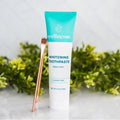
A remineralizing toothpaste like those from Wellnesse is designed to support enamel and maintain a healthier oral environment without harsh ingredients.
2. Increased Cavities and Enamel Erosion
GLP-1 medications work to slow your digestion. What you eat now takes much longer to digest. This can in turn cause acid reflux because food stays in your stomach longer.
Acid reflux (or being in an acidic state) can weaken your tooth structure and leave your teeth vulnerable to decay.
Some individuals may also experience occasional nausea and vomiting.
That acid can travel up into the mouth and:
- Weaken enamel
- Increase tooth sensitivity
- Contribute to decay
Even if it’s mild, repeated exposure to stomach acid can gradually weaken enamel, making teeth more sensitive to temperature and more vulnerable to damage. At the same time, reduced saliva means there’s less buffering capacity in the mouth to counteract that acid. Over time, this combination can leave teeth feeling more reactive and less protected.
What can you do to protect your enamel?
Focus on:
- Brushing twice daily with a remineralizing toothpaste that includes baking soda. Baking soda is excellent at neutralizing those acids.
- Use an Oral Probiotic to support your oral environment
- It might sound counter-intuitive, but avoiding brushing immediately after a meal or acid exposure (wait ~30 minutes after eating or an acidic event)
- Using a gentle, non-stripping mouthwash concentration
A mineral-based toothpaste (like Wellnesse offers) helps reinforce enamel rather than just cleaning the surface.
What to Know
GLP-1 medications can be incredibly effective tools for metabolic health, but they don’t operate in a vacuum. Your mouth is one of the first places where subtle imbalances show up.
The biggest takeaway? Most oral health issues tied to GLP-1s aren’t caused by the medication itself but by the ripple effects: less saliva, more acid exposure, and shifts in hydration and nutrition.
When you understand that, the solution becomes much simpler.
Support your saliva. Protect your enamel. Stay consistent.
And if you build your routine around products that actually work with your biology, you can stay ahead of these issues and keep your oral health in great shape while still benefiting from everything GLP-1s have to offer.


