


Bad breath (also known as halitosis) can be frustrating and often embarrassing. Most people try to fix it with mints, mouthwash, or gum, only to find the problem keeps coming back.
That’s because bad breath isn’t just a surface-level issue. It’s usually a sign that something deeper is going on in your oral microbiome or daily habits.
Let’s break down the real root causes of bad breath and how to fix them naturally, for good.
What Actually Causes Bad Breath?
Bad breath is typically caused by odor-producing bacteria in your mouth. These bacteria release sulfur compounds that create that unpleasant smell.
But here’s the key:
It’s not just about having bacteria. It’s about having the wrong balance of bacteria.
When your oral microbiome is out of balance, odor-causing bacteria can thrive.
Your mouth is home to a complex community of microbes, often referred to as your oral microbiome. When everything is in balance, beneficial bacteria help keep odor-causing microbes in check. But when that balance gets disrupted, the bacteria responsible for bad breath can start to take over.
And this is where things get interesting.
Bad breath isn’t usually caused by just one thing. It’s often the result of underlying habits, daily behavior or subtle imbalances happening in your mouth that you may not even realize. Things like how you breathe, what you eat, how well you stay hydrated, and even how effectively your mouth produces saliva can all influence the environment in your mouth.
When the conditions shift, like a drop in saliva or leftover food particles sticking around longer than they should, it creates the perfect setting for odor-producing bacteria to thrive.
So instead of just masking bad breath, it’s far more helpful to understand why those bacteria are flourishing in the first place.
Let’s take a closer look at some of the most common root causes that may be contributing to it.
1. A Disrupted Oral Microbiome
This is one of the biggest and most misunderstood reasons behind persistent bad breath.
Your mouth isn’t meant to be sterile. It’s home to a complex community of bacteria and when it’s balanced, those bacteria actually protect your teeth, gums, and breath. The problem starts when that balance gets disrupted.
Many conventional oral care products (especially strong, alcohol-based mouthwashes) are designed to kill bacteria. And while that might sound like a good thing, they don’t just target the odor-causing bacteria… they wipe out the beneficial ones too.
It becomes a cycle: you use a harsh product, your mouth gets temporarily “clean,” but then the bad bacteria come back faster and stronger, often leading to even worse breath over time.
So instead of trying to eliminate bacteria altogether, the goal is to support a healthy balance.
How to support this bacteria balance naturally:
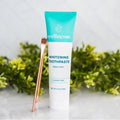
- Switch to a gentle, microbiome-friendly toothpaste, ideally one made with hydroxyapatite, which helps strengthen teeth without disrupting your natural bacteria
- Avoid alcohol-based mouthwashes that dry out your mouth and strip away beneficial microbes. Choose a natural, dye-free, alcohol-free mouthwash.
- Consider adding oral probiotics to your routine to help repopulate and support healthy bacteria
- Oil pulling can help remove harmful bacteria lingering in your mouth. Pair it with the Balanced Mouth Blend for an extra boost of support.
Think of it this way: fresh breath isn’t about killing everything in your mouth. It’s about creating an environment where the right bacteria can thrive. When your oral microbiome is in balance, bad breath doesn’t stand a chance.
2. Tongue Buildup (One of the Most Overlooked Causes)
This is one of those things almost no one talks about, but it makes a huge difference.
Your tongue - especially the very back of it - is basically a landing zone for bacteria, food particles, and dead cells. Over time, this creates a thin coating (sometimes white or slightly yellow) that becomes a major source of odor. If you’ve ever brushed your teeth and still felt like your breath wasn’t fresh, your tongue is likely the missing piece.
The tricky part? Brushing your tongue with a toothbrush doesn’t really cut it. It tends to just move things around instead of actually removing the buildup. You also want to avoid using your toothbrush to clean your tongue due to the bacteria buildup that can transfer to your toothbrush. So what do you do?
That’s where a tongue scraper comes in. And it’s a total game changer.
How to tongue scrape:
- Use a copper tongue scraper daily (ideally in the morning and at night)
- Gently reach toward the back of your tongue with the curved edge, as this is where most of the odor-causing bacteria live
- Don’t press too hard; light, consistent pressure works best
- Pull the tongue scraper forward towards the tip of your tongue
- Repeat 2-3 times
- Rinse the scraper between passes so you’re actually removing buildup, not redistributing it
It might feel a little strange at first, but once it becomes part of your routine, you’ll notice the difference almost immediately. For many people, this one simple habit is the key to finally getting lasting fresh breath.
3. Dry Mouth (Low Saliva Flow)
Saliva is one of those things most people don’t think about, but it plays a huge role in keeping your mouth clean, balanced, and bad breathe away. It’s constantly working in the background to wash away food particles, neutralize acids, and keep bacteria under control.
When your mouth gets dry, that whole system starts to slow down. Without enough saliva, odor-causing bacteria have an easier time growing and sticking around, which is why dry mouth is such a common cause of bad breath.
And it’s often caused by everyday habits you might not even notice. Mouth breathing, especially overnight while you sleep, is a big one. Not drinking enough water can also leave your mouth feeling dry, and certain medications can lower your saliva production, too.
The good news is, there are some really simple ways to support your saliva levels.
- Drink enough water throughout the day - it can make a big difference.
- Focus on breathing through your nose instead of your mouth. Practice this during the day and then continue this into the overnight hours. Some use gentle mouth tape to reinforce nose breathing while they sleep. It can help more than you would think.
- Look for oral probiotics or mints that naturally help stimulate saliva flow.
At the end of the day, supporting your saliva is one of the easiest and most effective ways to keep bad breath in check.
4. Food Particles & Plaque Buildup
Even if you brush every single day, food can still be stuck between your teeth and along the gumline. And that leftover debris becomes the perfect fuel for odor-causing bacteria.
The tricky part is that your toothbrush can’t reach everything. Those tight spaces between teeth and just under the gumline are where buildup tends to linger the most. Over time, that buildup forms a sticky layer called biofilm, which is essentially a home for bacteria to grow and thrive. If it’s not regularly disrupted, it can start to contribute not just to bad breath, but also to issues like plaque buildup and gum irritation.
You might not always see or feel it, but if you’ve ever flossed and noticed a smell, that’s a clear sign that bacteria have been sitting there longer than they should.
The good news is, this is one of the easiest root causes to address with a consistent routine.
Flossing daily is key and honestly, it’s non-negotiable if fresh breath is your goal. It physically removes the debris and bacteria that your toothbrush simply can’t reach. Once you make it a habit, you’ll likely notice a big difference.
It also helps to use a high-quality, non-toxic toothpaste that supports your oral microbiome while helping to break up biofilm. And when you brush, take your time and make sure you’re reaching all surfaces, especially along the gumline where bacteria tend to collect.
Is There Really Hope for Bad Breath?
Yes! Bad breath isn’t something you need to “cover up”. It’s something you can actually fix by getting to the root of what’s going on.
So many products are designed to mask the problem temporarily, but if the underlying cause is still there, the bad breath will keep coming back. When you shift your focus to supporting your mouth instead of just trying to freshen it, everything starts to change.
When you support your oral microbiome, improve your saliva flow, and consistently remove bacterial buildup, you’re creating a healthier and fresher environment overall. That balance makes it much harder for odor-causing bacteria to take over in the first place.
And the best part is, these changes don’t have to be complicated. Small, consistent habits really do add up. Drinking enough water, breathing through your nose, flossing daily, and using products that work with your body (not against it) can make a noticeable difference over time.
Fresh breath becomes less about what you’re using in the moment and more about how your mouth functions throughout the day. When things are working the way they’re supposed to, fresh breath starts to happen naturally. And it lasts.


