

You finish brushing your teeth, feel that fresh, clean feeling, and immediately rinse. It feels like the natural next step, right? Almost everyone does it. But here’s the thing: that rinse you’ve been doing your whole life? It might be undoing a big chunk of the work your toothpaste just did.
Let’s break down what’s actually happening in your mouth after you brush, why rinsing is working against your dental health, and what you should be doing instead.
What Happens When You Brush Your Teeth
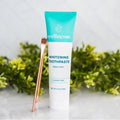
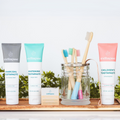
When you brush with Wellnesse toothpaste, you’re coating your teeth with micro-hydroxyapatite (micro-HAp), a naturally derived mineral that’s the same building block your teeth and enamel are literally made of. Unlike conventional fluoride-based toothpastes, our formula skips fluoride entirely and works with your body rather than relying on a synthetic mineral. Think of it as giving your teeth back the exact material they’re built from.
Our micro-HAp works in two ways: particles over 3 microns remineralize the surface of your enamel, while particles under 3 microns are small enough to reach the tiny tubules of your teeth, sealing them and relieving sensitivity. It’s working hard in those two minutes you’re brushing, and it wants to keep working after you’re done, too.
That is, unless you wash it all down the drain.
Why Rinsing is the Problem
Most of us were never told not to rinse after brushing. It’s just something we picked up without thinking. But when you rinse after brushing, you’re washing away the very residue that’s still actively benefiting your teeth. All that remineralizing goodness, gone in one swish.
Your mouth isn’t done absorbing the benefits the second you put your toothbrush down. Giving the residue a little extra time to linger means more remineralization, stronger enamel, and more of those sensitive tubules getting sealed up. The active ingredients in your toothpaste need contact time to work. Rinsing cuts that time short.
So What Should You Do Instead?
It’s simple, and honestly, once you get used to it, it becomes second nature.
Spit out the excess toothpaste, but leave the residue on your teeth. That thin coating you feel? That’s exactly what you want. Just let it sit and go about your day. For best results, try to wait at least 30 minutes before eating or drinking anything; this gives the micro-HAp extra time to work its magic on your enamel before anything disrupts it.
One thing worth noting: the order of your routine matters more than most people realize. Before you even reach for your mouthwash, start with flossing or water flossing. This gets out anything hiding between your teeth first, so your mouthwash can actually do its job. From there, rinse with a fluoride-free mouthwash like our Balanced Mouth Blend, then finish with brushing with a pea-sized amount as your final step. That way, that remineralizing residue gets to stay on your teeth where it belongs, and nothing washes it away.
If the idea of not rinsing feels weird at first, that’s completely normal. It’s a habit that most of us have had since childhood. But within a few days, it’ll feel totally natural, and your teeth will be thanking you for it.
“Wait, Is It Safe to Swallow a Little?”
Yes! If you accidentally swallow a small amount of toothpaste residue, don’t stress about it. Wellnesse toothpaste is made with clean, safe ingredients: no fluoride, no SLS, no synthetic chemicals, no toxins. The small amount of residue that might make its way down after brushing is not something to worry about.
This is actually one of the reasons we care so deeply about our ingredient list. When you’re being told to leave toothpaste on your teeth, and it might end up in your body in trace amounts, you deserve to know that every single ingredient in that tube is something safe enough to be there. With Wellnesse, you can feel good about that.
The Role of Bacteria in All of This
Here’s something that often gets overlooked: the reason remineralization matters so much is because of bacteria. The bacteria that naturally live in your mouth feed on sugars and produce acids as a byproduct. Those acids are what wear down enamel over time, leading to tooth decay and, if left unchecked, gum disease. Remineralizing ingredients like micro-HAp help counteract that damage by replenishing the minerals those acids strip away, helping prevent tooth decay before it starts.
That’s why every minute of contact time counts. The longer micro-HAp stays on your teeth after brushing, the more opportunity it has to get ahead of the damage that bacteria and acid cause throughout the day and night.
The Small Habit Shift That Makes a Big Difference
Here’s the beauty of this tip: it costs you absolutely nothing. No extra products, no extra time, no extra steps. You’re actually removing a step from your routine. All you have to do is resist the urge to rinse.
Spit. Leave the residue. Go to bed (or go about your day).
That’s it. That’s the whole habit shift.
It’s one of those small, almost embarrassingly simple things that can have a real impact on your oral health over time, especially when paired with a toothpaste that’s actually formulated to remineralize and protect. It’s also one of the easiest upgrades you can make to your dental care routine. And if you mention to your dentist that you don’t rinse after brushing, don’t be surprised if they approve.
Ready to Make the Switch?
If you’re still using a conventional fluoride toothpaste, this is your sign to make the switch. If you’re already using Wellnesse toothpaste, start the no-rinse habit tonight. Either way, your teeth deserve a toothpaste that’s made from the same minerals they’re built from, and that keeps working even after you put the brush down.
Your enamel will thank you. 🦷✨


