


When most people think about preventing cavities, they think about one simple thing: brushing their teeth. But cavity prevention is far more complex, and far more interesting, than simply brushing twice a day.
In fact, many modern oral care habits may actually be working against the health of your teeth and your oral microbiome.
Just like we’ve learned to read food labels and question what’s in our food, it’s time to start doing the same with our oral care products and daily habits. When you look deeper, cavity prevention is really about supporting the natural ecosystem of your mouth.
Here’s what truly matters.
1. Rethink What’s in Your Toothpaste
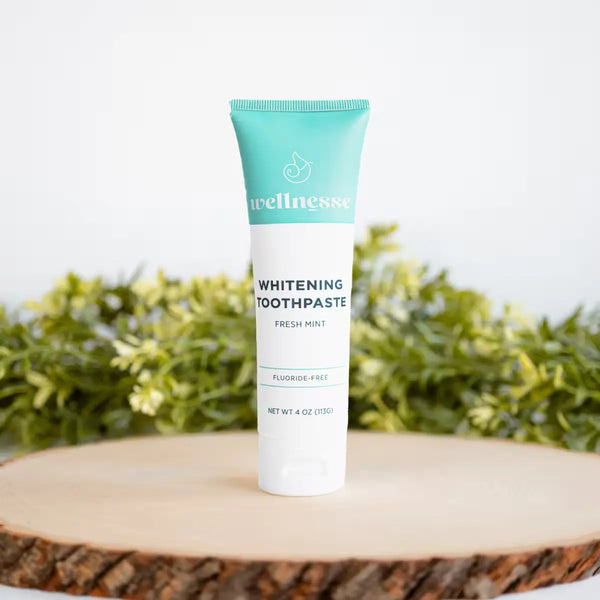
Most over-the-counter toothpastes focus heavily on minty taste or whitening, but very few are designed to support the delicate balance of bacteria in your mouth.
Your mouth is home to a complex oral microbiome - a community of both beneficial and harmful bacteria that influence everything from gum health to cavity formation. Your toothpaste should be supportive of this delicate environment, with ingredients that help nurture the bacteria biome rather than destroy it.
Some conventional toothpaste ingredients can disrupt this balance rather than support it. That’s why it’s important to start reading oral care labels the same way you read food labels.
And ask questions like:
- Where are the ingredients sourced from?
- Are they supporting the natural balance of bacteria in the mouth? Or do the ingredients strip away the good bacteria?
- Are they helping strengthen enamel and protect teeth?
- The goal shouldn’t just be “cleaner teeth”. it should be a healthier oral ecosystem.
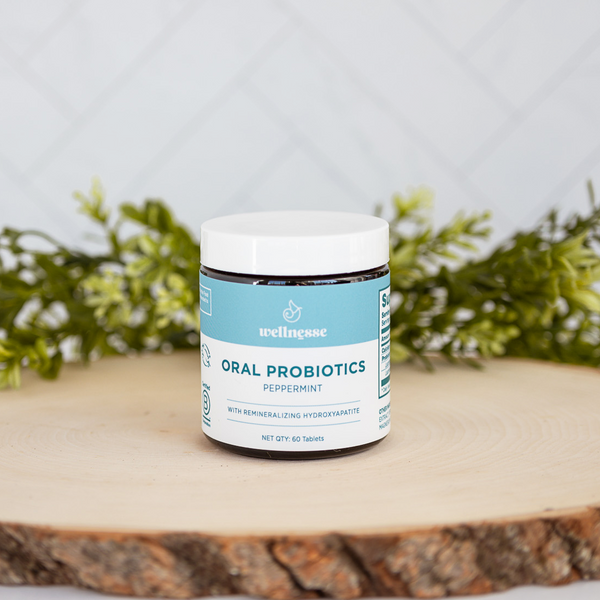
Find a non-toxic toothpaste that has education and research behind it and has non-toxic ingredients to support your mouth and keep
2. Why Brushing Actually Matters
Brushing isn’t just about getting food off your teeth, although that definitely matters. One of the biggest reasons we brush is to break up biofilm.
Biofilm is that sticky layer of bacteria that’s constantly forming on your teeth. If it’s left alone, it thickens and becomes more organized, making it much harder to remove. In fact, dental plaque is one of the most common types of biofilm.
As this layer matures, the bacteria inside it start producing acids that can weaken your enamel and lead to cavities.
The tricky part? You can’t always see it. Biofilm tends to build up between your teeth and along the gumline and those harder-to-reach areas. So even when your teeth look clean, it can still be there quietly causing damage.
That’s where brushing comes in. It physically disrupts this layer before it has a chance to harden and cause problems. Think of it like breaking up a growing bacterial “community” before it becomes strong and established.
This is why brushing consistently matters so much. it stops the cycle before damage even begins. Every day, you’re clearing away that biofilm and giving your teeth a fresh start.
3. The Hidden Problem: Constant Snacking
One of the biggest contributors to tooth decay today isn’t necessarily what we eat. It's how often we eat.
Every time you eat or drink something (besides water), your mouth becomes more acidic. Oral bacteria begin digesting carbohydrates and sugars, producing acid as a byproduct.
This acid temporarily weakens tooth enamel in a process called demineralization.
Normally, your saliva helps restore balance. After about 30–60 minutes, saliva begins neutralizing the acid and replenishing minerals to the enamel.
But here’s the problem: many people snack all day long.
When we constantly graze - snacking on foods, sipping coffee, or drinking flavored beverages - we keep our mouths in a nearly constant acidic state. That means our teeth rarely get the chance to remineralize.
Teeth cannot repair themselves in an acidic environment.
Spacing meals apart, limiting snacking, and allowing your saliva time to restore balance can significantly improve the health of your teeth. Some people even find that structured eating patterns like intermittent fasting support better oral pH balance.
But what about that sugar?
Sugar often gets the blame for cavities, but the real culprit is acid.
Bacteria in your mouth feed on sugars and carbohydrates, producing acid as a waste product. This acid dissolves minerals in tooth enamel, eventually leading to cavities.
But sugar isn’t the only food bacteria thrive on.
Refined starches like crackers, chips, bread, and toast can be just as problematic. These foods break down quickly into sugars and tend to stick to teeth, lingering in the tiny spaces between them.
If food particles remain on teeth for extended periods, bacteria continue feeding and producing acid, keeping the mouth in a damaging acidic state.
This is one of the many reasons minimizing ultra-processed foods is beneficial not only for overall health but also for oral health.
4. Saliva: How it Helps Prevent Cavities
Saliva doesn’t get nearly enough credit. It's one of the most powerful tools your body has for protecting your teeth.
It’s doing a lot behind the scenes, like:
- Neutralizing acids before they can damage enamel
- Delivering minerals to teeth
- Washing away food particles and debris
- Supporting beneficial bacteria
When saliva production drops, teeth can deteriorate surprisingly quickly.
One of saliva’s most important roles is keeping your mouth’s pH in a healthy range. After you eat, especially carbs or sugar, your mouth becomes acidic and your pH is lower. When the pH drops too low, your enamel starts to demineralize, which is the first step toward cavities.
Saliva helps bring that pH back up by buffering and neutralizing those acids.
That’s why maintaining healthy saliva levels is so important for cavity prevention. When saliva flow drops, your teeth lose that constant protection. Acids stick around longer, harmful bacteria have more opportunity to grow, and the natural remineralization process slows down. Over time, that can lead to cavities forming much more easily, and sometimes faster than you’d expect.
The lack of saliva (aka Dry mouth) is often linked to cavities and your breathing habits may be affecting your teeth more than you realize.
If you tend to breathe and sleep with your mouth open, this will dry out the mouth, reducing saliva and creating an environment where harmful bacteria thrive.
Humans are designed to breathe primarily through the nose, yet it’s estimated that up to half of people regularly breathe through their mouths, especially during sleep.
Improving nasal breathing during the day can help train the body to breathe through the nose at night.
Some strategies people explore include:
- Practicing nasal breathing during exercise
- Addressing underlying airway issues
- Using gentle mouth tape at night to encourage nasal breathing
Supporting nasal breathing helps maintain saliva flow and protects oral health.
5. Can Chewing Gum Help?
In the right situations, chewing gum can actually support oral health.
Chewing stimulates saliva production (see above), which helps neutralize acids and wash away food particles.
This can be especially helpful after eating sticky snack foods like chips, crackers, or bread - foods that tend to cling to teeth.
Many dentists recommend gum containing xylitol, a natural sweetener that bacteria cannot easily metabolize. Xylitol gum can help reduce harmful bacterial activity while stimulating saliva. While xylitol can have a bad rap when consumed as a food, xylitol can have amazing benefits for your oral health. (Just keep it away from Fido as dogs do not do well with xylitol).
However, moderation matters. Constant gum chewing can place stress on the jaw joint and surrounding cartilage.
A good approach is chewing gum for a few minutes after certain meals or snacks, then discarding it.
Taking a More Holistic Approach to Preventing Cavities
Cavity prevention isn’t just about brushing harder or using stronger products.
It’s about supporting the natural systems that protect your teeth:
- Consistent brushing to break up that biofilm
- Healthy saliva production
- Proper breathing habits
- Well researched toothpaste products
- Smart eating patterns
When you begin viewing oral health as part of overall health, the strategies for preventing cavities become much clearer.
Small daily habits can have a profound impact on the strength and longevity of your teeth.
And the good news is that many of the most powerful changes are also the simplest.