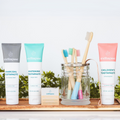


Tooth enamel is the hard, outer layer of our teeth composed mostly of the mineral hydroxyapatite. It is highly mineralized, which makes it strong and durable. Under normal conditions, there is a dynamic balance between minerals in the enamel and minerals in saliva. When acids from foods or bacteria lower the pH in the mouth, this balance shifts: minerals (calcium and phosphate) are lost from enamel, a process called demineralization. Conversely, remineralization of enamel occurs when these minerals are redeposited from saliva or other sources. In effect, remineralization helps strengthen tooth enamel and can counteract early decay. Keeping this balance in favor of mineral gain is key to preventing cavities and reinforcing enamel health.

The Natural Remineralization Process
Saliva is a robust natural defense against demineralization. It supplies calcium and phosphate, which can help remineralize tooth enamel if the pH is neutral or slightly alkaline. Good oral habits support natural repair. A balanced diet rich in calcium and vitamin D aids natural enamel repair by providing building blocks for tooth mineralization. In addition, products like cheese or milk can help neutralize acids. Knowing how to strengthen teeth and enamel naturally includes:
- Maintaining Thoughtful Brushing and Flossing Habits: Daily cleaning remains central to protecting enamel, but the technique and consistency matter as much as the frequency. Brushing twice a day clears the thin film of debris that traps acids on the tooth surface, while flossing removes buildup that hides between teeth where brushes cannot reach. These actions allow saliva to interact with the enamel more effectively because fewer obstructions block mineral delivery. Keeping the mouth clean also limits bacterial activity that would otherwise lower pH and promote demineralization. When brushing and flossing become intentional habits rather than rushed tasks, the environment inside the mouth shifts toward one that supports mineral replacement and stabilizes the enamel’s protective structure.
- Choosing Effective Remineralizing Toothpaste Options: Toothpaste designed to support enamel repair can amplify the natural healing process by supplying ingredients that bond with weakened areas. Fluoride-based formulas strengthen tooth structure by encouraging the formation of harder, more acid-resistant mineral crystals. Fluoride-free options often rely on hydroxyapatite or calcium-phosphate compounds that integrate into surface defects and smooth rough patches. These products work best when used consistently, giving the enamel a steady supply of building blocks during daily brushing. People who incorporate targeted remineralizing toothpaste often notice a gradual improvement in tooth comfort and surface smoothness. Selecting a formula that aligns with personal preferences ensures long-term adherence and more predictable results.
- Building a Mineral-Rich, Tooth-Friendly Diet: The foods people choose each day have a significant influence on how well enamel can repair itself. Calcium-rich selections such as leafy greens, dairy products, and fortified alternatives support the mineral balance that the teeth require. Phosphorus-containing foods, including nuts, fish, and whole grains, provide additional structural components that complement calcium. Reducing the frequency of sugary snacks limits the acid exposure that undermines enamel stability. When meals emphasize nutrient-dense options rather than refined sugars, saliva can maintain a neutral pH more easily. This, in turn, allows natural remineralization to progress without constant interruption from acidic swings.
- Balancing pH Through Conscious Daily Choices: The mouth’s pH determines whether enamel is in a state of breakdown or recovery. Activities that stabilize pH, such as drinking water regularly, rinsing after acidic foods, and limiting frequent sipping of sweetened beverages, create conditions that favor mineral replacement. When the pH remains neutral or slightly alkaline, calcium and phosphate in saliva can redeposit on softened enamel. People who pay attention to these small decisions accumulate meaningful benefits over time, as stable pH levels continually support the protective cycle of natural repair. This awareness gives the teeth an environment that encourages ongoing strengthening.
These habits give saliva and active ingredients the best chance to rebuild tooth mineral and strengthen tooth enamel over time.
What Is Hydroxyapatite?
Hydroxyapatite (HAP) is the calcium phosphate mineral that makes up the bulk of tooth and bone. Synthetic HAP can be manufactured to mimic natural tooth mineral. Because it is essentially the same material as enamel, HAP has excellent compatibility with the body. In dentistry, natural hydroxyapatite toothpaste uses tiny HAP particles as an active ingredient. These particles can deposit on the tooth surface and integrate into the enamel. Importantly, HAP toothpaste is a non-toxic toothpaste ingredient: studies note that HAP is safe even if swallowed, making it suitable for children and adults. Unlike traditional fluoride products, hydroxyapatite toothpaste provides a non-fluoride toothpaste option for those seeking mineral support without fluoride. Because HAP is the same material as enamel, a HAP toothpaste effectively delivers the same calcium and phosphate that lost minerals are made of, without adding any foreign chemicals. This biomimetic approach underlies why hydroxyapatite is considered safe and gentle as a tooth-strengthening agent.
How Hydroxyapatite Toothpaste Restores Enamel
Toothpastes containing hydroxyapatite work by directly supplying enamel-like minerals to the tooth surface. Research shows that HAP particles in toothpaste can bind to damaged enamel and fill in microscopic pores and irregularities. Brushing with a remineralization toothpaste means these particles deposit onto weakened areas and help rebuild the enamel lattice. Compared to fluoride, which primarily forms a superficial layer of fluorapatite, HAP particles can penetrate deeper into demineralized lesions. This process can block tiny cracks and holes in enamel before they turn into cavities.
Because of this action, it is often considered a toothpaste for cavity repair. A HAP paste can serve as a toothpaste for cavities by physically filling pores in early enamel lesions. These deposits can contribute to strengthening tooth enamel by gradually replacing mineral loss.
Hydroxyapatite vs. Fluoride and Other Agents
Fluoride has long been the standard for caries prevention, but it has limitations. For example, the fluoride dose is limited in children due to the risk of fluorosis, and it primarily remineralizes only the tooth’s surface. As mentioned, hydroxyapatite offers a non-fluoride toothpaste alternative that works through the mineral itself.
Some proponents call it a natural hydroxyapatite toothpaste in the sense that it uses a naturally occurring mineral instead of a drug. Moreover, HAP is considered biocompatible and pH-buffering; it can raise pH slightly as it dissolves, further discouraging acid buildup. While fluoride remains effective, the introduction of hydroxyapatite toothpaste brands has given consumers a fluoride-free choice.
A growing body of research confirms hydroxyapatite’s enamel-rebuilding ability. For example, a 2019 clinical study in children compared a 10% HAP toothpaste with a 500 ppm fluoride paste. Both formulations significantly remineralized artificial tooth lesions, and HAP was statistically equal to fluoride. Other trials in adults have shown similar non-inferiority. Fluoride-free HAP oral care products reduce dental caries as an anti-caries active ingredient. These findings lend support to calling it an anti-cavity toothpaste.
Safety, Usage, and Choosing a Hydroxyapatite Toothpaste
Hydroxyapatite is generally regarded as safe and gentle. It is essentially a toothpaste to strengthen teeth for all ages. HAP does not have the potent antibacterial or acid-fighting action of fluoride, so it should be used alongside good hygiene. When brushing with the best enamel toothpaste, typical instructions apply: brush thoroughly twice a day, like any fluoridated paste. Some experts recommend spitting out excess paste but not rinsing afterward, to allow minerals to remain on the teeth.
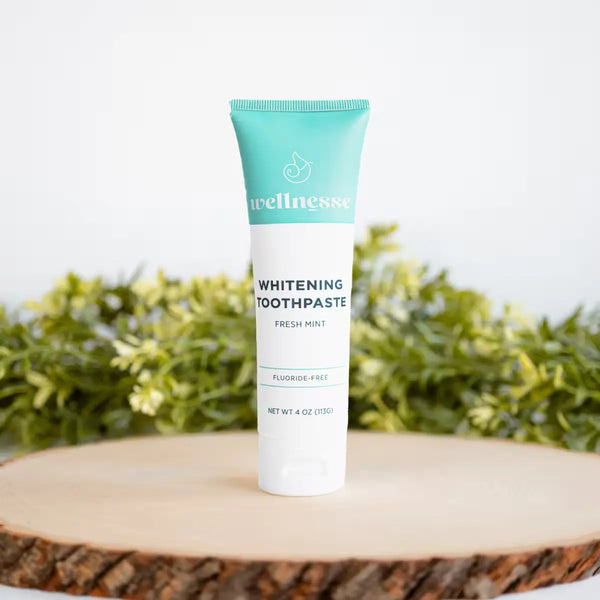
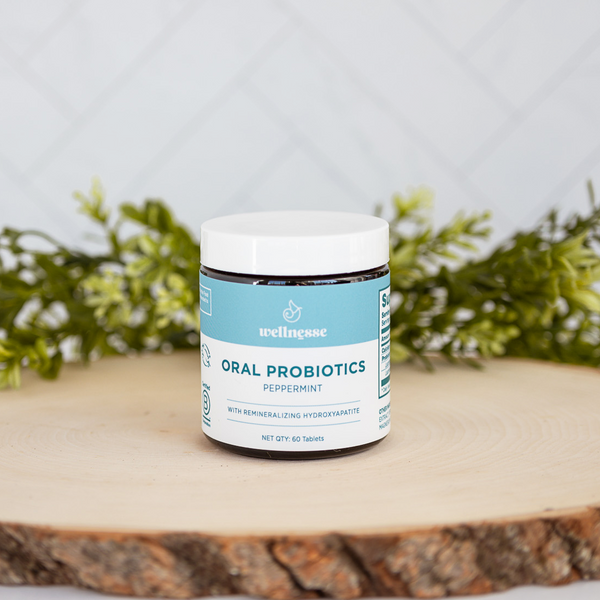
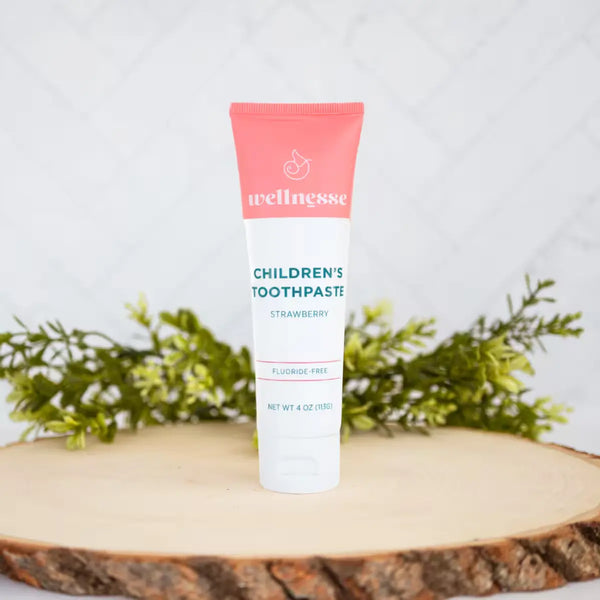
Choosing the right product can involve some searching. Many people buy hydroxyapatite toothpaste online or in health stores. Look for one labeled as remineralizing or ADA-approved if possible. Wellnesse is one example of a brand that sells fluoride-free HAP toothpaste for natural enamel repair. Other hydroxyapatite formulas include remineralizing mouthwashes and gels. Some users incorporate xylitol chewing gum and dietary supplements to further strengthen teeth naturally.

Scheduling Regular Dental Cleanings
Routine professional care plays an important role in preserving strong teeth and stable gums. While daily brushing and flossing address most plaque, certain areas of the mouth accumulate buildup that requires professional attention. Regular dental visits help maintain a balanced environment where enamel can remain resilient, and gums stay healthy. The following habits outline practical ways dental appointments support long-term oral wellness.
- Removing Tartar Before It Spreads: Once plaque hardens into tartar, it bonds tightly to the tooth surface and cannot be cleared with standard brushing. Professional tools allow hygienists to lift this buildup safely, preventing it from spreading along the gumline. Removing tartar early reduces the number of surfaces where bacteria can thrive and helps minimize irritation in surrounding tissues. Without this hardened layer, the enamel regains direct exposure to minerals in saliva and oral care products, creating more favorable conditions for natural strengthening.
- Identifying Early Signs of Enamel Weakness: Dental checkups provide an opportunity for clinicians to spot areas where enamel has begun to soften. These early findings alert individuals to small problems before they turn into structural damage. Dentists may notice subtle changes in color or texture that indicate an increased risk of demineralization. This insight allows for timely adjustments in home care routines or dietary choices. When these concerns are addressed early, enamel has a stronger chance of recovering through regular remineralizing habits.
- Supporting Gum Health Through Professional Care: Gums often react to plaque and tartar with inflammation, which can interfere with saliva flow and contribute to discomfort. Professional cleanings remove buildup that irritates gum tissue, creating a calmer environment where healing can occur. Hygienists also assess the depth of gum pockets, helping individuals understand whether their brushing technique is reaching essential areas. Restoring healthy gums improves circulation around the teeth, which enhances the overall stability of the oral environment and supports long-term comfort.
- Enhancing the Effectiveness of Remineralizing Products: Tartar and plaque create a barrier that prevents toothpastes and mouth rinses from interacting fully with enamel. Once these layers are professionally removed, remineralizing ingredients such as hydroxyapatite, calcium, or fluoride can reach weakened areas more directly. This improved contact enhances the benefits of daily oral care routines. Individuals who receive regular cleanings often find that their at-home products work more efficiently, leading to smoother enamel and reduced sensitivity over time.
- Creating a Personalized Preventive Plan: Dentists use routine appointments to evaluate an individual’s unique risk factors, including diet, brushing habits, gum condition, and enamel thickness. These insights help form personalized strategies that support stronger oral health moving forward. Recommendations may include changing brushing technique, adjusting a toothpaste choice, or spacing acid-heavy foods differently throughout the day. Dentists may also identify lifestyle patterns, such as nighttime grinding, frequent snacking, or chronic dry mouth, that influence how quickly enamel wears down. They can suggest protective steps like using a night guard, increasing water intake, or adding remineralizing products to strengthen vulnerable areas. With this guidance, people gain a clearer understanding of what their teeth need to remain stable and comfortable between visits, and they leave with a tailored plan that aligns with their daily routines and long-term oral health goals.
Regular professional cleanings complement daily home care by removing substances that brushing cannot handle and revealing early signs of potential issues. When these appointments become a consistent habit, the mouth remains better protected, more comfortable, and far more capable of supporting natural enamel repair.

Remineralizing tooth enamel is an achievable goal with today’s products. Hydroxyapatite toothpaste represents a scientifically grounded, fluoride-free approach to repair and fortify enamel naturally. Studies support its effectiveness in rebuilding minerals and preventing decay, often on par with traditional fluoride toothpastes. For those seeking how to strengthen teeth through mineral replacement, HAP toothpaste can be a safe, non-fluoride toothpaste solution. In conjunction with good oral habits, hydroxyapatite can help remineralize tooth enamel and maintain a strong, cavity-resistant smile.
Sources:
- O’Hagan-Wong K. et al., The use of hydroxyapatite toothpaste to prevent dental caries, Odontology (2022)researchgate.net
- Amaechi B. et al., Comparative efficacy of a hydroxyapatite and a fluoride toothpaste for prevention and remineralization of dental caries in children, BDJ Open (2019)nature.com
- Paszynska E. et al., Caries-preventing effect of a hydroxyapatite-toothpaste in adults: an 18-month randomized clinical trial, Frontiers in Public Health (2023)frontiersin.org
- Pawinska M. et al., Clinical evidence of caries prevention by hydroxyapatite: An updated systematic review and meta-analysis, Journal of Dentistry (2024)sciencedirect.com
- Bălint R. et al., Remineralization Induced by Biomimetic Hydroxyapatite Toothpastes on Human Enamel, Biomimetics (2023)mdpi.com
- American Dental Association (ADA), “Toothpastes” (Oral Health Topics)ada.org