

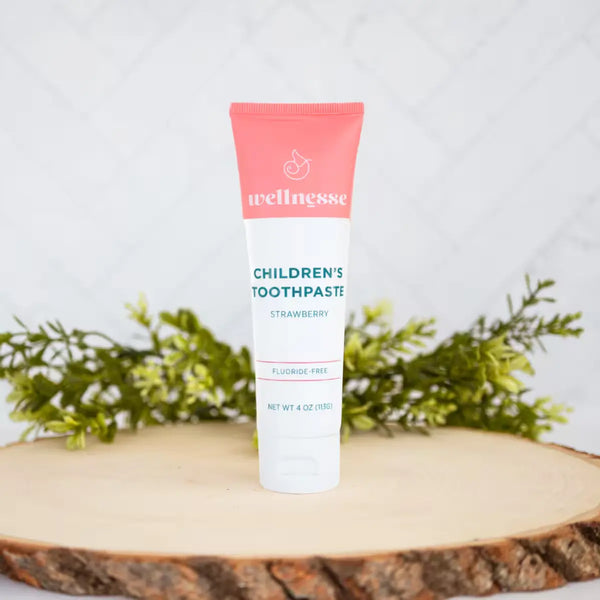
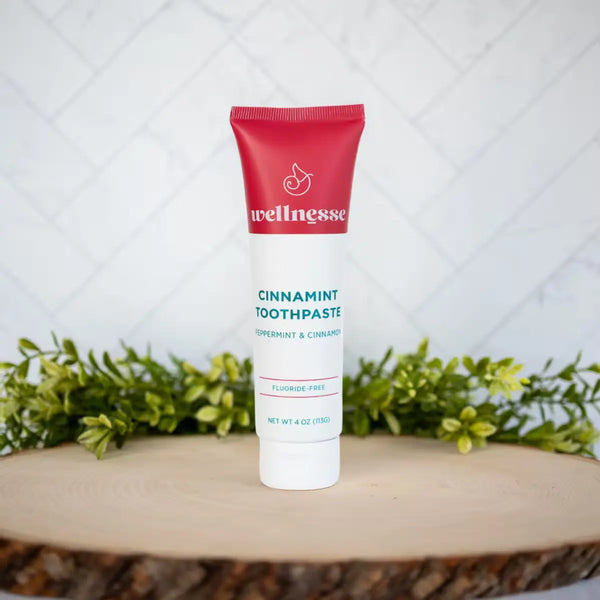
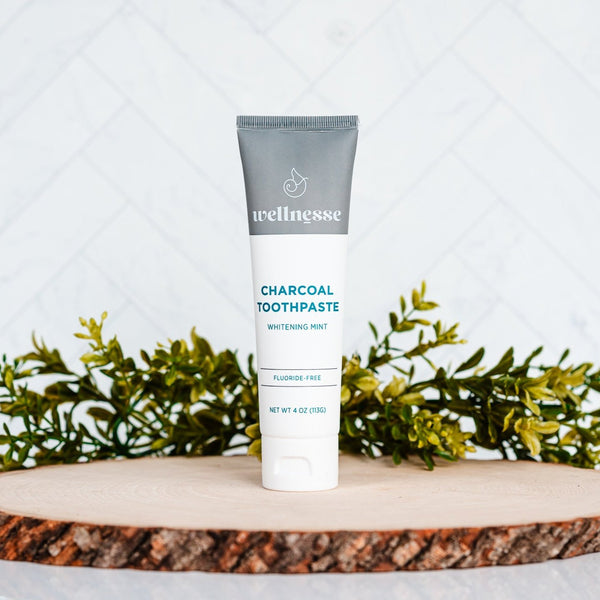
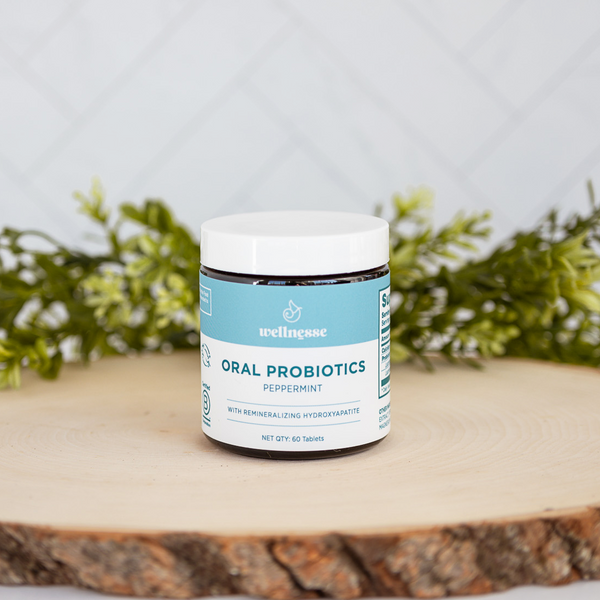

Discover the future of oral health with micro-hydroxyapatite, a revolutionary mineral swiftly becoming the gold standard in natural toothpaste. Unlike traditional fluoride, which primarily strengthens the tooth surface, this mirrors the natural composition of our teeth and actively repairs and regenerates enamel from within. Its microscopic particles penetrate deep into enamel, filling imperfections, building a robust protective barrier against cavities, and reducing sensitivity.
Understanding Micro Hydroxyapatite
What is Micro-Hydroxyapatite?
It is a form of calcium phosphate, the primary component of tooth enamel and bone. Unlike fluoride, which strengthens teeth by promoting the remineralization of enamel, it directly integrates with tooth enamel to repair and regenerate it. This unique capability makes it a powerful alternative for those seeking a more natural approach to oral health. The particle size is small enough to penetrate enamel and fill microscopic gaps, providing a protective barrier against cavities and sensitivity. This innovative material not only strengthens enamel but also enhances the overall appearance of teeth by reducing surface stains.

History and Origin
The discovery and utilization of hydroxyapatite in dental applications dates back to the 1970s when Japanese scientists first identified its potential for remineralization. Over the years, advancements in nanotechnology have enabled the development of micro-hydroxyapatite, which is now used in toothpaste and other oral care products worldwide. In Japan, this has been approved as an anti-cavity agent since 1993, and its popularity has steadily increased in Western countries in recent years. This shift is largely due to growing consumer demand for safer, natural fluoride replacement products.
Comparison with Traditional Ingredients
Micro-hydroxyapatite is non-toxic and safe if ingested, which is an essential consideration for families with young children. In contrast, there are concerns over fluoride ingestion, particularly in high doses, due to potential health risks. An additional benefit of micro-hydroxyapatite is its ability to reduce sensitivity by forming a protective layer over exposed dentinal tubules.
Recommended Uses and Target Groups
Micro hydroxyapatite has emerged as a versatile and inclusive ingredient in oral care, making it suitable for a wide range of individuals with varying dental needs. One of its most significant advantages is its biocompatibility and safety profile, which allows it to be recommended confidently for all age groups, including young children, adults, and seniors. Unlike fluoride, which can pose health risks if ingested in large quantities, this is non-toxic and safe to swallow in small amounts. This makes it ideal for toddlers and young children who may not yet have mastered spitting out toothpaste after brushing. Pediatric dental practices and oral health experts increasingly recommend micro hydroxyapatite for children as a gentle yet effective way to strengthen enamel, prevent cavities, and reduce sensitivity, without the concerns associated with fluoride ingestion.
It offers targeted relief by filling in microscopic gaps in the enamel and forming a protective barrier over exposed dentinal tubules. This mechanism helps to block the transmission of hot, cold, or sweet stimuli that typically trigger discomfort, making it a preferred choice for anyone experiencing sensitivity due to enamel erosion, dental procedures, or natural wear over time. Adults with a history of dental restorations or those prone to sensitivity can benefit from incorporating micro-hydroxyapatite toothpaste into their daily routine for ongoing protection and comfort.
Pregnant women represent another population for whom this is particularly well-suited. During pregnancy, hormonal changes can increase the risk of gum disease and tooth decay, while concerns about the safety of ingesting certain chemicals may lead expectant mothers to seek safer alternatives. Micro-hydroxyapatite’s natural composition and lack of toxicity make it a reassuring option for maintaining oral health during pregnancy, without added worry about potential systemic effects. This makes it a top choice for individuals with allergies, sensitivities to common toothpaste ingredients, or those adhering to clean-label lifestyles. This gentle yet powerful action, coupled with its broad safety margin, positions it as a universal option that meets the oral health needs of diverse groups, from young children and expectant mothers to adults seeking both efficacy and peace of mind.
The Science Behind Tooth Remineralization
How Remineralization Works
Remineralization is a cornerstone of maintaining optimal dental health, representing a sophisticated natural defense mechanism within our oral cavity. It is the continuous process by which vital minerals, primarily calcium and phosphate, are redeposited into the tooth enamel. This essential restoration occurs after these minerals have been stripped away by acids, which are often byproducts of bacterial metabolism of sugars in our diet. Without effective remineralization, the constant assault of acids would quickly erode the protective enamel, leading to tooth decay and sensitivity. Saliva is not merely a lubricant; it is a dynamic biological fluid that plays an indispensable role in this intricate repair mechanism. It acts as the primary reservoir for free calcium and phosphate ions, the very building blocks of tooth enamel. Saliva contains various proteins and enzymes that regulate mineral balance in the mouth, ensuring their availability for uptake by the demineralized tooth surface. Its buffering capacity is equally crucial; saliva helps to neutralize the acids produced by oral bacteria, raising the pH level in the mouth. Conditions that reduce salivary flow, such as certain medications or systemic diseases like Sjögren's syndrome, can severely impair the body's natural remineralization capabilities, increasing the risk of rampant decay.
The oral environment is constantly in flux, experiencing periods of demineralization and remineralization. When we consume acidic foods and beverages, or when plaque bacteria metabolize carbohydrates, the pH in the mouth drops below a critical level (typically around 5.5 for enamel). At this acidic pH, the mineral structure of enamel becomes unstable, leading to the dissolution and loss of calcium and phosphate ions, a process known as demineralization. This initial stage of mineral loss often manifests as microscopic lesions on the tooth surface, which are not yet visible to the naked eye. However, once the pH level in the mouth is neutralized, the conditions become favorable for remineralization to occur. The supersaturated solution of calcium and phosphate in saliva then drives these minerals back into the demineralized enamel. This natural enamel remineralization process can effectively reverse the early stages of damage, rebuilding the enamel's crystalline structure and preventing the progression of cavities. Maintaining a healthy balance between demineralization and remineralization is paramount for lifelong oral health. A persistent imbalance in which demineralization outweighs remineralization will inevitably lead to the formation of carious lesions (cavities).
Importance of Enamel in Oral Health
Enamel is the outermost layer of your teeth and serves as the first line of defense against physical and chemical damage. It is the hardest substance in the human body, yet it is susceptible to erosion from acidic foods and beverages as well as from improper oral hygiene. Once enamel is eroded, it does not regenerate on its own, making its preservation crucial for long-term oral health. Enamel protects the sensitive inner layers of teeth from temperature changes and decay. The integrity of enamel is vital for preventing various dental issues such as cavities and sensitivity. A robust enamel layer acts as a barrier against bacteria and acids that cause tooth decay. Strengthening enamel through remineralization helps in maintaining this protective barrier.
Natural Alternative to Fluoride
Micro hydroxyapatite offers a compelling solution, providing comparable benefits without the need for fluoride. This mineral is biocompatible and non-toxic, making it suitable for individuals of all ages, including young children who may accidentally ingest toothpaste. As an alternative, it aligns well with the growing consumer demand for natural and safe oral care products.
Differences Between Micro and Nano Hydroxyapatite
The distinctions between micro and nano forms of hydroxyapatite include their respective benefits, applications, and potential considerations. When evaluating the role of hydroxyapatite in oral care, a clear understanding of the differences between micro- and nano-forms is essential for making informed decisions about their use. The primary distinction lies in particle size: micro-hydroxyapatite refers to particles in the micrometer range (typically 0.1–10 micrometers), while nano-hydroxyapatite features particles in the nanometer range (1–100 nanometers). This size difference significantly affects how each form interacts with tooth structure, its benefits, and the considerations associated with its use.
Micro-hydroxyapatite closely resembles the natural crystallites found in healthy enamel, allowing it to effectively integrate with the tooth surface. Its larger particle size enables it to fill in microscopic imperfections and form a robust, visible protective barrier on the enamel. This surface-level action is particularly effective for reinforcing enamel, reducing sensitivity by shielding exposed dentinal tubules, and providing a long-lasting defense against acid attacks and daily wear. Because micro-hydroxyapatite particles remain primarily on the enamel’s surface, their integration is both effective and predictable, supporting the tooth’s natural structure without the risk of deep penetration into underlying tissues. This makes micro-hydroxyapatite a top choice for daily oral care routines, offering a balance of efficacy and safety suitable for children, adults, and those with sensitivities.
Nano-hydroxyapatite, on the other hand, is characterized by its ultra-small particle size, which allows it to penetrate more deeply into enamel and even into the dentinal tubules. This deep-reaching capability can provide enhanced desensitizing effects and may be particularly beneficial in cases of advanced enamel erosion or severe tooth sensitivity. Nano-hydroxyapatite’s ability to reach subsurface lesions means it can contribute to the repair of early-stage cavities and offer more intensive remineralization where it is most needed. These properties make it a valuable tool in specialized dental applications, such as treating advanced sensitivity or supporting recovery after certain dental procedures.
However, the unique properties of nano-hydroxyapatite also raise important considerations. Due to its small size, there is ongoing scientific discussion and regulatory scrutiny regarding the potential for systemic absorption if particles are ingested or pass through gum tissue. Some studies and expert opinions highlight the need for further research into the long-term safety of nano-sized particles, especially with regular use. As a result, micro-hydroxyapatite is often preferred for routine, everyday oral care due to its well-established safety profile and effective surface-level protection. In contrast, nano-hydroxyapatite may be reserved for targeted interventions requiring deeper penetration and intensive remineralization, with careful consideration of safety and regulatory guidelines.
Choosing the Right Micro-Hydroxyapatite Toothpaste
Top Natural Toothpaste Brands
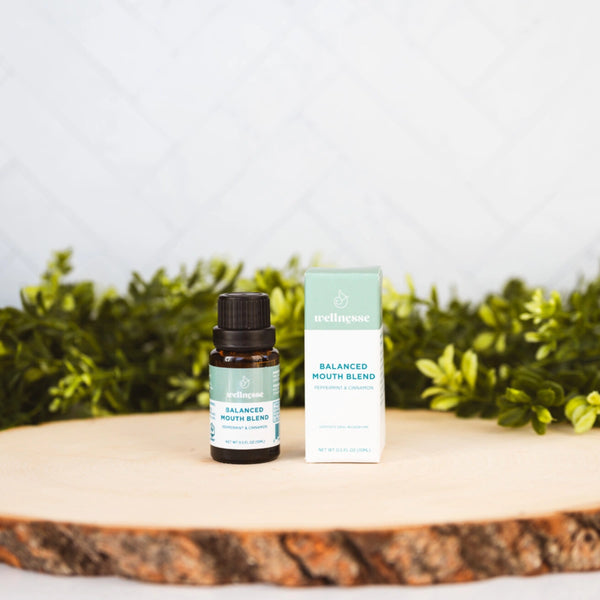
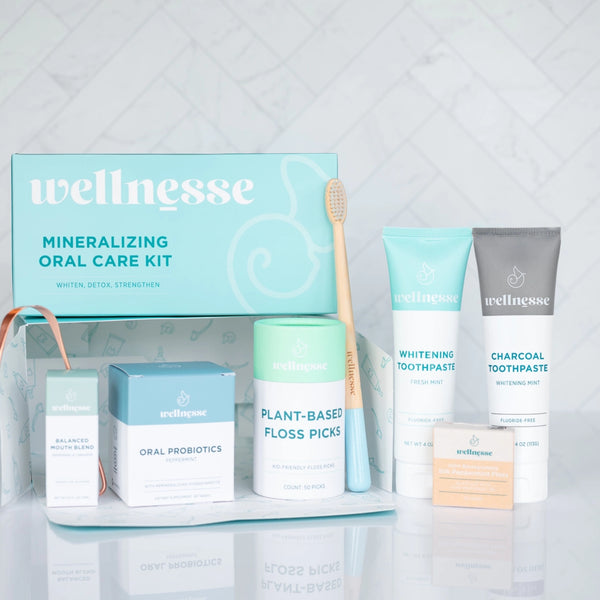
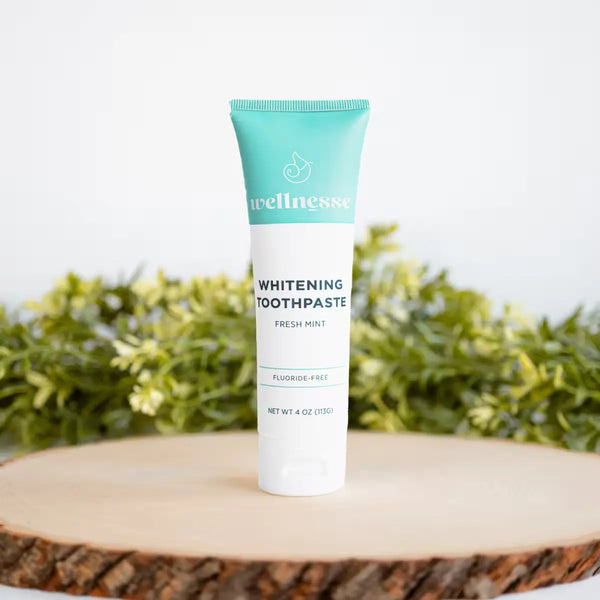
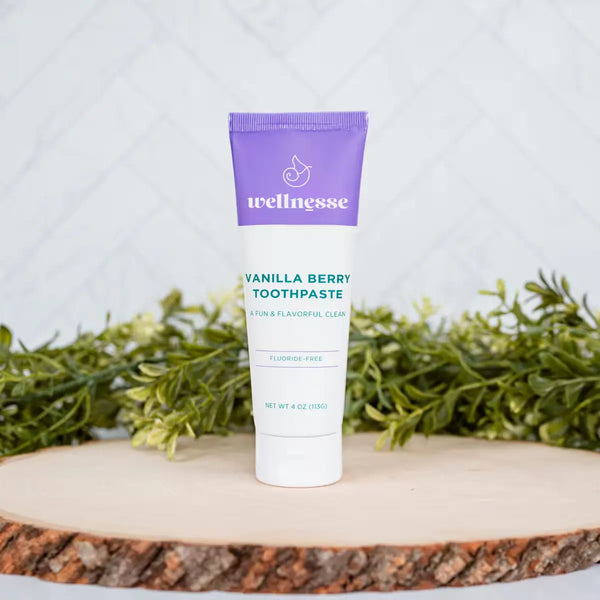
When it comes to selecting a micro-hydroxyapatite toothpaste, several top-of-the-line brands stand out for their commitment to natural ingredients and effective dental care. One of the leading names in this space is Wellnesse. Its products are designed to mimic the natural composition of teeth, providing superior remineralization and cavity prevention. As consumers become more aware of the benefits of natural dental care, these brands continue to gain popularity. They have successfully combined modern science with natural health principles to create products that are both effective and aligned with broader wellness goals.
How to Buy Remineralizing Toothpaste Online
Online shopping has revolutionized the way we approach oral care, offering unparalleled convenience and a vast selection of remineralizing toothpastes. To truly benefit from this digital marketplace, a strategic and informed approach is crucial when you buy toothpaste.
- Prioritize Product Authenticity: This direct-to-consumer approach significantly reduces the risk of acquiring counterfeit products and often provides more transparent information about the toothpaste’s composition and scientific backing. By choosing established platforms, you safeguard your investment and ensure the product you receive is genuinely effective and safe for your oral health, avoiding potential disappointment or adverse effects from unverified sources.
- Leverage Detailed Product Descriptions and Customer Reviews: One of the greatest advantages of online shopping is the wealth of information available. Always delve into the detailed product descriptions provided by reputable retailers and official brand websites. These often explain the science behind the toothpaste's remineralizing properties and the function of key ingredients. Complement this by scrutinizing customer reviews, which offer invaluable firsthand accounts of the product's effectiveness, taste, and texture. Look for specific feedback on performance, any reported sensitivities, and overall user satisfaction to gain a realistic perspective beyond marketing claims.
- Consider Certifications and Ethical Sourcing for Value-Driven Choices: For many consumers, purchasing decisions extend beyond just efficacy and price; ethical considerations play a significant role. If values like animal welfare are important to you, actively seek out certifications such as "cruelty-free" or "vegan" on product pages. These labels indicate that the toothpaste was developed without animal testing and contains no animal-derived ingredients, respectively.
By adopting these comprehensive strategies, you can confidently navigate the vast online marketplace for remineralizing toothpaste. This informed approach ensures you select products that are not only effective and authentic but also align with your personal health requirements and ethical values.

Ingredients to Look for in Healthy Toothpaste
Key Natural Components
The landscape of oral hygiene has significantly evolved, moving beyond traditional cleaning to embrace ingredients that actively promote comprehensive oral health. At the forefront of this revolution are micro hydroxyapatite and xylitol, two powerful natural compounds that are redefining the standards for effective and safe toothpaste formulations.
- Micro Hydroxyapatite: This biomimetic mineral actively remineralizes tooth enamel by seamlessly integrating into its microscopic structure, filling in imperfections and strengthening weakened areas. Unlike surface-level treatments, mHAP works from within, rebuilding enamel for superior protection against decay and erosion. This makes mHAP an ideal choice for those seeking fluoride-free options without compromising on the critical benefits of enamel restoration and overall oral health.
- Xylitol: Its primary mechanism involves disrupting the metabolism of Streptococcus mutans, the key bacterium responsible for dental cavities. Unlike sugar, xylitol cannot be fully processed by these bacteria, leading to a significant reduction in their growth and acid production.
This powerful combination moves beyond superficial cleaning to offer genuine restorative and protective benefits, setting a new gold standard for toothpaste ingredients that truly contribute to long-term oral wellness.
Ingredients to Avoid
One such ingredient is sodium lauryl sulfate (SLS), a common foaming agent. Although it helps to create a rich lather, studies have linked SLS to mouth irritation and an increased risk of canker sores. For those with sensitive oral tissues, opting for an SLS-free toothpaste can prevent discomfort and promote healthier gums. Another ingredient to avoid is triclosan, an antibacterial agent previously used in some toothpaste brands. Despite its ability to reduce plaque and gingivitis, triclosan has been associated with hormone disruption and antibiotic resistance. The FDA has banned its use in over-the-counter antiseptic washes, prompting a shift towards safer alternatives.
Tips for Reading Labels
Understanding how to read toothpaste labels empowers consumers to make informed choices that align with their health goals. A crucial tip is to prioritize the order of ingredients listed on the packaging. Ingredients are typically listed by concentration, with the most abundant first. This can help you determine which beneficial components, such as micro hydroxyapatite, are present in significant amounts. Moreover, familiarize yourself with common terms and certifications that indicate a product's safety and efficacy. Look for labels that state "fluoride-free" or check for certifications from reputable dental associations that vouch for the product's safety and effectiveness. Additionally, recognizing terms like "natural" or "organic" on labels can be misleading, as these terms are not strictly regulated for toothpaste. Cross-referencing ingredients with trusted sources can help ensure that you're selecting a product that truly meets your health standards.
Emerging Trends in Oral Care
There are emerging trends in oral care, such as the use of natural ingredients, sustainability, and environmental impacts associated with micro hydroxyapatite and related products. The dental care industry is witnessing a significant shift as consumers increasingly prioritize holistic and natural products. This transformation is largely driven by growing awareness about the long-term effects of synthetic chemicals traditionally found in oral care products. Consumers are now more informed and discerning, seeking options that align with a cleaner, more sustainable lifestyle. This trend is reflected in the rise of natural toothpaste options, which prominently feature ingredients like micro-hydroxyapatite, renowned for its biocompatibility and effectiveness.
How to Incorporate Micro-Hydroxyapatite Toothpaste into Your Oral Care Routine
Step-by-Step Guide to Optimal Usage
By understanding how to properly use micro-hydroxyapatite toothpaste, you can unlock its full potential for a stronger, healthier smile. Here are the key points:
- Master Proper Brushing Technique: Dedicate a minimum of two minutes to thorough brushing, ensuring comprehensive coverage of all tooth surfaces—front, back, chewing surfaces, and along the gumline. Employ gentle, circular motions, rather than aggressive scrubbing, to effectively dislodge plaque and food particles without causing abrasion or irritation to your enamel or gums. This meticulous approach ensures even distribution of the fine micro-hydroxyapatite particles across your entire dentition, initiating the remineralization process effectively from the moment you begin brushing. Consider using a soft-bristled toothbrush to complement the gentle technique and further protect your oral tissues.
- Prioritize Post-Brushing Care: This is a crucial step that often differs from conventional brushing advice but is essential for maximizing the efficacy of micro-hydroxyapatite. After brushing, simply spit out the excess toothpaste without rinsing your mouth with water or mouthwash. This deliberate action leaves a thin, protective layer on your teeth, allowing the active ingredients to continue their work of remineralization and repair long after you've finished brushing. This crucial step ensures adequate residence time for optimal bonding and integration of the mineral particles into the enamel structure, allowing them to effectively repair microscopic lesions and strengthen your teeth.
Extend Active Ingredient Residence Time: To truly maximize the benefits of micro-hydroxyapatite, abstain from eating or drinking for at least 30 minutes after brushing. This extended period allows for deeper penetration and stronger adherence of the micro-hydroxyapatite particles to your enamel. This sustained contact fosters enhanced enamel repair and provides superior, long-lasting protection against daily acid attacks from food and drinks, which are common culprits behind tooth decay. This commitment to an extended post-brushing window significantly reduces the risk of cavities and plaque accumulation, contributing to a more resilient oral microbiome and reduced tooth sensitivity.
Embracing micro hydroxyapatite as a cornerstone of your daily routine represents a significant advancement in personal dental care, offering a natural and highly effective pathway to superior oral health.
Complementary Oral Health Practices
A comprehensive approach is crucial for truly healthy teeth and gums. Daily flossing is non-negotiable; it meticulously removes food debris and plaque from interdental spaces and along the gumline, areas that even the most advanced toothbrush struggles to reach. This vital yet straightforward habit prevents plaque buildup, which can lead to cavities and gum disease. Furthermore, integrating an effective antibacterial mouthwash into your routine can provide an additional layer of protection. These rinses are designed to reduce harmful bacteria throughout the mouth, including on the tongue and other soft tissues, thus minimizing the risk of gingivitis and halitosis. Beyond these daily practices, regular professional dental check-ups and cleanings are indispensable. Your dentist can identify and address issues before they become severe, and professional cleanings remove hardened plaque (tartar) that brushing and flossing cannot.
Beyond topical applications, your dietary choices play a profound and often underestimated role in supporting the remineralization process from within. This internal reinforcement of tooth structure is just as crucial as external treatments. A diet abundant in calcium and phosphorus, two critical minerals for robust tooth strength and density, is highly recommended. These minerals are the fundamental building blocks of enamel, and their consistent availability is key to maintaining healthy teeth. Excellent dietary sources of calcium include a variety of dairy products, such as milk, cheese, and yogurt, which also offer beneficial probiotics for oral health. For those who are lactose intolerant or prefer plant-based options, dark, leafy greens like spinach, kale, and collard greens are powerhouse sources of calcium.

Monitoring Results and Adjustments
Pay attention to visible improvements such as reduced tooth sensitivity, fewer cavities, and a brighter smile. If you notice these positive changes, it's a good indication that the toothpaste is working well. However, if you encounter persistent issues such as gum inflammation or tooth decay, consult a dental professional for personalized advice and potential adjustments to your routine. It's also beneficial to schedule regular dental check-ups, ideally every six months, to professionally assess your oral health. Dentists can provide valuable insights and suggest modifications to your care routine based on the condition of your teeth and gums.
Frequently Asked Questions
When choosing oral care products, many people wonder how micro hydroxyapatite stacks up against well-known ingredients like fluoride. Below, we address the most common questions about their effectiveness, safety, and consumer preferences today.
How does micro hydroxyapatite compare to fluoride in preventing cavities?
Both micro hydroxyapatite and fluoride help prevent cavities, but micro hydroxyapatite works by directly integrating into enamel, while fluoride promotes remineralization by forming a protective fluorapatite layer on teeth.
Is micro hydroxyapatite safer than fluoride?
Micro hydroxyapatite is non-toxic and safe if swallowed, making it suitable for children and sensitive groups. In contrast, excessive fluoride ingestion can lead to health concerns like dental fluorosis.
Which ingredient is more effective at reducing tooth sensitivity?
Micro hydroxyapatite excels at reducing sensitivity by filling exposed dentinal tubules, providing targeted relief. Fluoride also helps, but its primary action is cavity prevention rather than direct sensitivity reduction.
What are the main consumer preferences between the two?
Consumers increasingly prefer micro hydroxyapatite for its natural origin, safety profile, and biocompatibility, especially among families and those seeking fluoride-free alternatives.
Are there differences in whitening effects?
Micro hydroxyapatite can visibly whiten teeth by smoothing enamel and filling micro-imperfections, while fluoride offers limited whitening benefits and primarily focuses on cavity protection.
How do the environmental impacts compare?
Micro hydroxyapatite is derived from naturally occurring minerals and poses minimal environmental risk, while fluoride production and disposal can contribute to water contamination and ecological concerns.
Is micro hydroxyapatite suitable for all ages?
Yes, its safety and gentle action make it appropriate for children, adults, and seniors, whereas fluoride requires careful supervision in young children to avoid overexposure.
In an era where consumers demand both efficacy and safety, micro-hydroxyapatite emerges as a groundbreaking advancement in oral care. Its ability to mimic natural enamel structure, repair microscopic damage, and protect against cavities positions it as a powerful alternative to fluoride. More than just a trend, this biomimetic mineral reflects a broader movement toward science-backed, non-toxic solutions that honor both individual health and environmental sustainability. Whether you're addressing tooth sensitivity, seeking a natural whitening toothpaste, or simply looking for gentle teeth whitening without harsh chemicals. Discover Wellnesse's micro-hydroxyapatite toothpaste at Wellnesse and start rebuilding stronger, healthier enamel. By choosing products formulated with this innovative ingredient, consumers can embrace a proactive, natural approach to oral health.