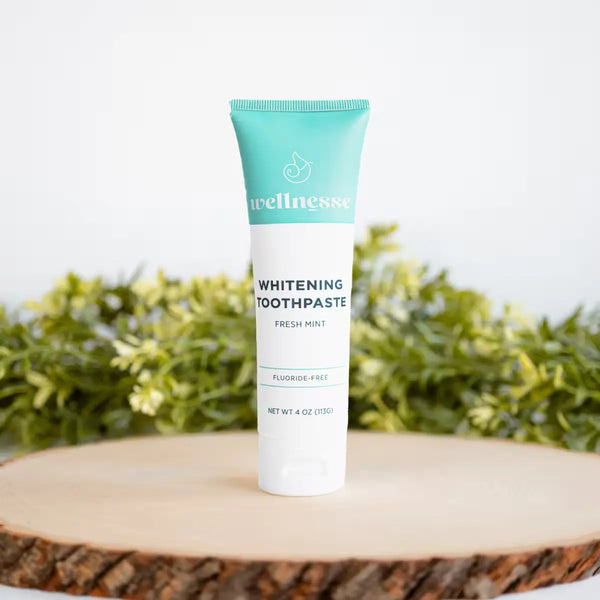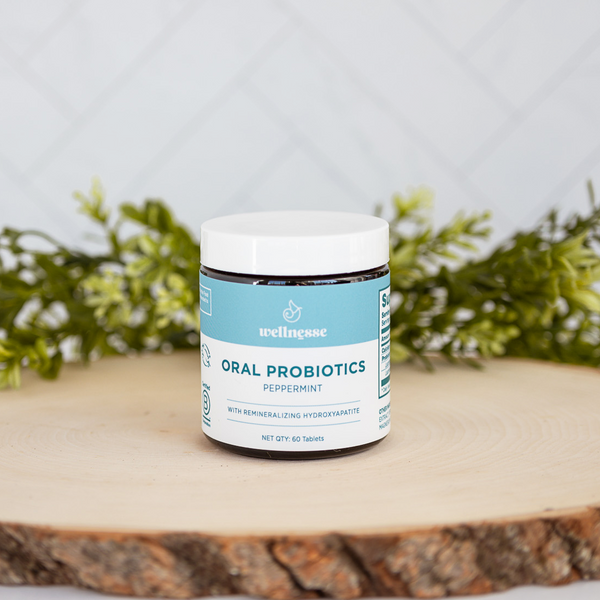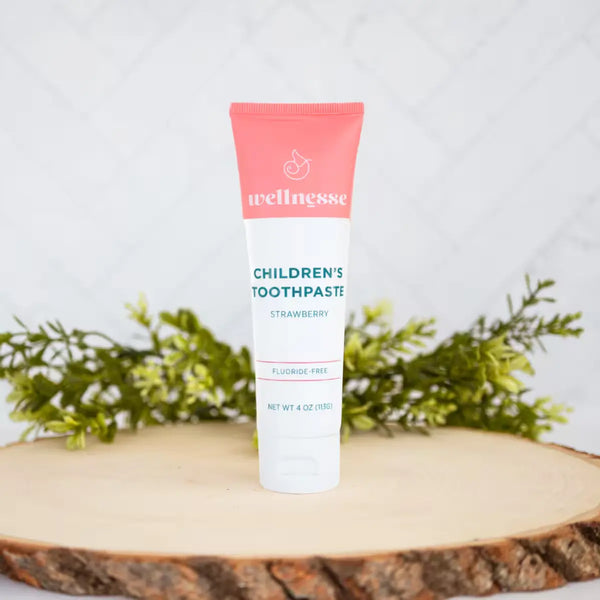
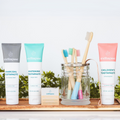


Sensitive teeth can turn a simple sip of hot coffee or a bite of ice cream into a jarring flash of pain. Approximately one in eight Americans suffers from tooth sensitivity. This common condition, known clinically as dentin hypersensitivity, arises when the tooth’s protective enamel wears thin or when gums recede. Temperature changes or even sweet and acidic foods can then trigger sharp nerve pain. Many people just endure this discomfort, but relief is possible. A new approach is gaining traction in oral care: using hydroxyapatite for teeth to rebuild enamel and ease sensitivity. This article will explain the science behind hydroxyapatite, why it’s a promising solution for sensitive teeth, and how to choose the best toothpaste for sensitive teeth that is both gentle and effective.

Understanding Tooth Sensitivity
To appreciate how hydroxyapatite helps, it’s important to understand what causes sensitive teeth. Under normal conditions, the hard enamel coating on our teeth protects the inner dentin and nerve. Enamel is the hardest substance in the human body, composed of about 97% mineral and 3% water and protein. Dentin, beneath the enamel, is also largely inorganic but contains microscopic tubules that lead to the tooth’s nerve. When enamel erodes or gums pull back, these tubules become exposed. External stimuli can travel through the open tubules and stimulate the nerves, resulting in that sudden jolt of pain.
Enamel erosion can happen due to acidic foods and drinks, frequent soda consumption, acid reflux, or aggressive brushing with abrasive toothpaste. Likewise, gum recession from harsh brushing or periodontal disease will expose the tooth roots and leave them sensitive. Grinding can also contribute to temporary sensitivity by wearing down or stressing the enamel. Tooth sensitivity signals that the protective barriers of the teeth have been compromised. Any effective solution must address this root cause, either by blocking the exposed pathways or by restoring the lost mineral to strengthen the enamel surface.
Conventional sensitive toothpastes mainly focus on symptom relief. They often contain ingredients like potassium nitrate or stannous fluoride. These agents can reduce sensitivity-related pain, but they don’t actually rebuild enamel or address mineral loss. Additionally, some standard toothpaste formulations include harsh detergents and additives that may irritate delicate mouths. Many brands use sodium lauryl sulfate (SLS) as a foaming agent, which helps create lather but can aggravate sensitive oral tissues. Patients with a tender or dry mouth often find that SLS-free toothpaste is gentler, since SLS can cause gum irritation and even heightened sensitivity. All these factors have led many people to seek a gentler approach, a toothpaste without fluoride or harsh chemicals, one that can repair rather than just numb. This is where hydroxyapatite comes in.
What is Hydroxyapatite? (Nature’s Enamel Repairer)
Hydroxyapatite (HAp) is a calcium phosphate mineral and the primary component of natural tooth enamel and bone. Chemically, it’s written as Ca₁₀(PO₄)₆(OH)₂ – calcium, phosphate, and hydroxide arranged in a sturdy crystal lattice. In our teeth, millions of hydroxyapatite crystals are packed together to give enamel its remarkable hardness and durability. Because it is literally the material our enamel is made of, hydroxyapatite is inherently biocompatible and non-toxic. Your body recognizes it as a natural substance, which is a crucial reason it’s so valuable for oral care.
Scientists have learned how to create calcium hydroxyapatite toothpaste by synthesizing hydroxyapatite particles in the lab that mimic those in our teeth. These particles can be incorporated into toothpaste as an active ingredient. When you brush with a hydroxyapatite toothpaste, you are effectively applying microscopic enamel-like crystals onto your teeth. Unlike fluoride, HAp provides a direct supply of the same mineral that the enamel is made of. This means it has the ability to integrate and bond with the tooth surface, filling in tiny cracks and weak spots.
It’s worth noting that the development of hydroxyapatite toothpaste has an interesting high-tech origin. The concept emerged from space research in the 1970s: NASA scientists discovered a way to grow hydroxyapatite crystals as a means to repair astronauts’ teeth and bones that had demineralized in zero-gravity conditions. A Japanese company soon applied this research and, in 1978, released the world’s first enamel-restorative toothpaste using synthetic hydroxyapatite. Nano-formulated hydroxyapatite has been approved as an anti-cavity agent in several countries since the 1990s. For decades, hydroxyapatite toothpaste has been widely used in Japan and parts of Europe as a trusted fluoride-free toothpaste alternative for strengthening teeth. Only recently has it begun gaining popularity in the U.S. market, as more people look for a non-fluoride toothpaste option that is safe and effective.

How Hydroxyapatite Helps Sensitive Teeth (Rebuilding Enamel)
What makes hydroxyapatite especially exciting is that it doesn’t just mask the pain of sensitivity. It addresses the underlying cause through gentle tooth enamel repair. When you brush with a hydroxyapatite toothpaste, the tiny mineral particles get to work on the tooth surface in multiple ways. First, they can penetrate the microscopic pores and lesions in demineralized enamel. These pores are where acid attacks have dissolved minerals, leading to weak spots and sensitivity. The hydroxyapatite particles lodge in these micro-pores and act as a scaffold or template for new mineral formation. In the presence of saliva, the HAp particles attract these ions and help re-deposit them into the enamel structure. The toothpaste is literally rebuilding enamel on a microscopic level by filling in the lost mineral.
From a scientific perspective, hydroxyapatite is considered a biomimetic agent. It mimics the body’s natural mineralization process. Studies confirm that HAp can actively promote regeneration of both enamel and dentin, restoring these tissues closer to their original state. Compared to traditional fluoride, hydroxyapatite has been shown to remineralize not just the very surface of enamel, but also the subsurface layers of early lesions, leading to a more thorough repair of weakened areas. This deep rebuilding is one reason why a quality toothpaste that rebuilds enamel with hydroxyapatite can actually improve tooth strength and reduce sensitivity long-term, rather than just temporarily blocking pain.
Hydroxyapatite vs. Fluoride: A Safe and Effective Alternative
Fluoride has long been the standard for remineralizing teeth and preventing cavities. It is effective at strengthening enamel to an extent, but it works indirectly by promoting the uptake of calcium and phosphate from saliva. Hydroxyapatite, on the other hand, provides a direct replacement material for the enamel. This difference offers clear advantages for hydroxyapatite, especially for those concerned about safety or seeking a fluoride-free toothpaste option.
One major benefit is that hydroxyapatite is non-toxic and safe if swallowed. Traditional fluoride toothpastes carry warnings to avoid swallowing, as excessive fluoride ingestion can be harmful, especially to children, and may lead to dental fluorosis or other issues. With hydroxyapatite, however, the material is the same mineral found in food and in our own bodies. There is no known risk of toxicity at the doses used in toothpaste. This makes HAp-based pastes suitable for all ages, including young kids or others who prefer a toothpaste without fluoride for peace of mind.
Beyond Sensitivity: Enamel, Gums, and Overall Oral Health
Hydroxyapatite’s benefits extend beyond just relieving sensitivity. One notable advantage is its role in preventing tooth decay. By strengthening and rebuilding the enamel, HAp makes teeth more resistant to acid attacks from bacteria. A hydroxyapatite toothpaste serves double duty as a sensitivity therapy and a cavity-fighting agent. Clinical trials have shown that HAp toothpastes can be as effective as fluoride toothpastes in preventing cavities, all while being safer if inadvertently swallowed.
It’s also worth mentioning that hydroxyapatite toothpastes tend to be non-staining. Consistent use of HAp can even impart a mild whitening effect by restoring the enamel’s natural luster. And since hydroxyapatite is white in color, any particles that fill in the enamel tend to make the tooth surface look whiter and more uniform. All these side benefits contribute to overall oral health for sensitivity sufferers. You’re not only numbing pain, but you’re also actively improving the condition of your teeth and gums.
Choosing the Best Toothpaste for Sensitive Teeth
With the growing popularity of hydroxyapatite and other alternative oral care options, how do you identify the best enamel repair toothpaste for your needs? The key is to look at the ingredient list and the claims critically.
- Active Remineralizing Ingredient: Check if the toothpaste uses a proven remineralizer. For sensitive teeth, a hydroxyapatite-based formula is an excellent choice because it will actually replace lost minerals and seal exposed dentin. In contrast, many regular “sensitive” toothpastes rely on chemicals that dull the nerves. The best toothpaste for sensitivity will ideally treat the cause, not just the symptom.
- Fluoride Content: Decide if you want fluoride or not. If you prefer a gentle, non-toxic approach, go with a fluoride-free toothpaste that uses hydroxyapatite for cavity protection.
- Abrasiveness: Many people with sensitivity also have some enamel wear, so you want a toothpaste that is not highly abrasive. Avoid “smoker” or intense whitening pastes that can be too harsh. A hydroxyapatite toothpaste generally is low-abrasive because the particles are designed to deposit on the teeth, not scrape them.
- Additional Soothing Ingredients: Take note of any extra ingredients that could benefit or harm you. Xylitol is a plus for cavity prevention. Natural extracts like aloe vera, chamomile, or green tea can help soothe gums and freshen breath without irritation. These are common in more natural formulations and can support gum health, making the toothpaste perform a bit like a gum repair toothpaste by calming inflammation. On the other hand, if you see a long list of artificial dyes or harsh flavoring chemicals, those could be potential irritants. Simpler formulas with naturally derived flavors are usually better tolerated by sensitive individuals.
- Taste and Texture: You should like using the toothpaste daily. Hydroxyapatite toothpastes sometimes have a mild, chalky taste. Many brands counteract this with pleasant natural flavor oils or a touch of sweetness from xylitol or stevia. If one product doesn’t suit your taste, don’t give up. There are several on the market now with different flavor profiles. The best toothpaste for sensitive teeth is one you will use consistently, morning and night, as part of your routine. Consistency is key to letting the ingredients work over time.
When you’re ready to buy hydroxyapatite toothpaste, consider purchasing from reputable oral care brands that emphasize science-backed formulas. Read reviews and perhaps start with a smaller tube to see if you like it.
For decades, people with sensitive teeth had limited options: use a fluoride paste and a desensitizing chemical, avoid certain foods, and just cope with the occasional zaps of pain. Now, the rise of hydroxyapatite offers a new solution. One that works in harmony with our body’s natural composition. By leveraging the same mineral that makes up our tooth enamel, hydroxyapatite toothpastes provide gentle and effective relief for sensitivity while actively strengthening the teeth. This is not a temporary band-aid, but a true treatment that can improve your teeth over time. Moreover, it achieves these results without the downsides of some conventional products: no fluoride ingestion risk, no SLS irritation, and no aggressive abrasives. It’s a win-win for your mouth.

Hydroxyapatite is transforming the approach to managing sensitive teeth. Instead of simply numbing the tooth or avoiding triggers, we can repair and protect our teeth proactively. Users of HAp toothpastes often find that, over time, they can enjoy hot or cold foods again without that familiar twinge of pain. If you’re looking to buy toothpaste for sensitive teeth that truly addresses the problem at its source, a hydroxyapatite formulation is likely your best bet. Not only will it help with sensitivity, but you’ll also be investing in the long-term strength and health of your teeth and gums. Embrace this space-age innovation grounded in biology. Your teeth will thank you as you experience relief and a healthier smile for years to come.
Sources
- University of Utah Health – “The Perils of Sensitive Teeth”
- Chen et al., Hydroxyapatite in Oral Care Products—A Review, MDPI (2021)
- Sensodyne – “Sodium Lauryl Sulfate (SLS)-Free Toothpastes”
- Enax et al., Preventing Oral Diseases With Biomimetic Hydroxyapatite, Decisions in Dentistry (2022)
- UT Health San Antonio – “Study shows toothpaste with ‘artificial enamel’ ingredient restores enamel, is more effective than fluoride”