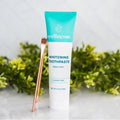
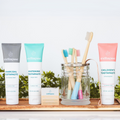


In the quest for natural dental products that effectively brighten your smile, charcoal toothpaste has emerged as a unique contender. Often dubbed the black toothpaste for whitening teeth, has gained popularity among those seeking a more natural, non-toxic whitening toothpaste alternative to conventional toothpastes. By harnessing the power of activated charcoal, these toothpastes promise to gently polish away stains and detoxify your mouth without harsh chemicals. In this guide, we’ll explore what it is, how it works, and the key charcoal toothpaste benefits it offers.

What is Charcoal Toothpaste?
Charcoal toothpaste is essentially a regular toothpaste formula infused with activated charcoal, a highly porous, absorbent form of carbon made by heating organic materials like wood, coconut shells, or bamboo at very high temperatures. This process creates a fine black powder with a huge surface area that can bind to substances. That means the activated charcoal in the paste can latch onto staining compounds and toxins in your mouth. A charcoal teeth whitening toothpaste leverages this property. As you brush, the charcoal particles bind to surface stains on your teeth and help lift them away, leaving your teeth looking cleaner and potentially whiter.
Importantly, “activated” charcoal is not the same as the briquettes used for grilling. It’s specially processed to be safe for oral and medical use, with any harmful impurities removed. The result is a medical-grade charcoal that’s non-toxic if accidentally swallowed in small amounts and gentle enough for use in the mouth. This distinction means a safe charcoal toothpaste will use activated charcoal that’s been refined for cleanliness and safety. Many natural brands emphasize this point. You’re not brushing with ordinary soot or coal dust, but with a purified substance akin to what hospitals use to treat poisonings.
Ancient Roots and Modern Popularity
Using activated charcoal for teeth cleaning might sound like a trendy social media experiment, but it actually has deep historical roots. Long before modern toothpastes existed, different cultures employed charcoal and ash to scrub their teeth clean. Ancient Egyptians are believed to have mixed powdered charcoal with other ingredients to create primitive tooth-cleaning powders, and the ancient Greeks and Romans used crushed charcoal or burnt bones to whiten their teeth and freshen their breath. Across Asia as well, charcoal has been part of traditional oral hygiene for centuries, valued for its ability to purify and cleanse.
Charcoal’s popularity as a tooth cleaner waned during the 20th century with the rise of commercial toothpastes containing newly developed chemicals. Today we’re seeing a revival. Fueled by interest in natural whitening toothpaste alternatives and skepticism about certain chemicals in conventional pastes, activated charcoal has made a comeback in oral care.
Charcoal Toothpaste Benefits
What makes charcoal toothpaste stand out in the crowded oral care aisle? Most of these advantages stem from how activated charcoal interacts with substances in the mouth. Below are some of the well-known charcoal toothpaste benefits and why this sooty substance can be surprisingly useful in oral care:
- Natural Teeth Whitening: The primary draw of charcoal toothpaste is its ability to aid in whitening teeth. The charcoal particles are mildly abrasive and adsorptive, which means they can help lift surface stains from things like coffee, tea, red wine, or smoking. By gently polishing the enamel and binding stain molecules, charcoal may reveal a brighter smile with regular use. Unlike peroxide-based whiteners that bleach the tooth from within, charcoal works on the outer layer of the tooth, so it’s a gentle whitening toothpaste option for extrinsic stains.
- Fresher Breath: Another benefit is improved breath. Activated charcoal’s porous structure can trap odor-causing bacteria and toxins in the mouth, reducing the sources of bad breath. In other words, it acts like a little odor magnet as you brush.
- Detoxification and Plaque Removal: Charcoal’s ability to cling to impurities isn’t limited to pigments and odors. Brushing with a charcoal paste can thus help physically remove plaque deposits during your brushing routine. Some proponents even call it a “detox” for your mouth. This can contribute to overall oral hygiene and gum health when used alongside regular brushing and flossing habits.
- Natural Ingredients (Chemical-Free Formula): Charcoal toothpastes generally align with a more natural ingredient philosophy. Many formulas avoid artificial dyes, sweeteners, and flavors, as well as certain chemicals found in traditional pastes. For example, it’s common to find charcoal pastes that are whitening toothpastes without SLS and free of triclosan, parabens, or peroxide bleaches. Instead, they often include plant-based ingredients like coconut oil, baking soda, essential oils, and, of course, activated charcoal from natural sources. Charcoal toothpastes tend to market themselves as a natural whitening toothpaste alternative, giving you a way to whiten and clean teeth without the chemicals you might be looking to avoid.
It’s worth noting that many of these benefits apply to extrinsic stains and general oral cleanliness. Charcoal is not a magic tooth bleach. It won’t actually change the natural color of your enamel or reach deep, set-in stains inside the tooth. However, for day-to-day stain removal and freshening, it can be a powerful natural ally. A recent study even confirmed that an activated charcoal toothpaste produced a gradual whitening effect over a few weeks of use, especially in the first two weeks, by consistently reducing surface staining.
Fluoride-Free Whitening and Other Natural Features
One notable characteristic of most charcoal toothpastes is that they are formulated as fluoride-free whitening toothpaste products. This is part of their appeal to the natural-product community. They omit fluoride, a common cavity-fighting ingredient in standard toothpastes, in favor of an all-natural ingredient list. Fans of fluoride-free oral care choose these products for personal or health reasons, and charcoal pastes fill that niche.
A number of natural brands use nano-hydroxyapatite, a mineral compound that directly integrates into enamel to strengthen it. By adding it to the formula, these products create a non-fluoride whitening toothpaste that can still reinforce your teeth. Wellnesse, for instance, offers a charcoal toothpaste that is fluoride-free but contains hydroxyapatite to rebuild enamel and prevent cavities while whitening. This gives users the whitening and “detox” benefits of charcoal along with cavity protection – all without fluoride. By choosing a product like Wellnesse’s, you get a fluoride-free whitening toothpaste experience without sacrificing your enamel’s strength.
Whenever a new trend hits oral care, the question of safety is paramount. You might be wondering: Does using an abrasive black powder risk damaging my teeth or gums? The good news is that, used properly, it can be a safe charcoal toothpaste option for most people.

How to Use Charcoal Toothpaste
Using charcoal toothpaste isn’t radically different from using any other toothpaste, but there are a few tips to get the best results. Here’s a simple guide on how to use charcoal toothpaste effectively and safely:
- Prep Your Toothbrush: Start with a soft-bristle toothbrush. This is crucial because, combined with any toothpaste, especially one with an abrasive ingredient like charcoal, a soft brush will protect your enamel and gums. You can slightly dampen the brush with water first.
- Apply a Pea-Sized Amount: Squeeze a pea-sized dollop of the charcoal toothpaste onto your brush. Charcoal pastes are typically black or grey. Remember that a little goes a long way. Don’t overdo it, thinking more charcoal will whiten more. It won’t, it will just create more foam.
- Brush Gently and Thoroughly: Brush as you normally would, using gentle, circular motions. Cover all tooth surfaces. The first time you use charcoal toothpaste, you might be surprised (or amused) at the sight of your mouth turning completely black. This is normal! As you brush, the fine charcoal powder scrubs stains from your teeth. Focus on areas with visible staining, but don’t scour aggressively. Two minutes of gentle brushing is the recommended duration.
- Spit and Rinse Well: After brushing, spit out as much of the toothpaste as possible. Then rinse thoroughly with water. It may take a couple of rinses to get all the black out, swish water around your mouth and between your teeth to dislodge any charcoal particles. This step is important not only for cleanliness but also to prevent any temporary dark residue between teeth or along the gumline. Some people like to follow up with a quick rinse of mouthwash or a saltwater gargle to ensure nothing’s left behind.
- Mind Your Sink: Charcoal toothpaste can be a bit messy in the sink. When you spit, you might notice black streaks in the basin. It helps to run water while spitting to wash it down as you go. After you’re done, quickly rinse the sink with water to clear any residue. If any splatters occurred on the countertop or mirror, just wipe them with a damp cloth. Charcoal powder can be like fine dust.
- Use in Moderation: For most people, using charcoal toothpaste 2-3 times a week is plenty to get the whitening and cleansing benefits. You can use it more often if your product is very finely milled and your dentist has no concerns, but daily use is usually not necessary unless the manufacturer explicitly states it’s gentle enough for everyday use. Many find alternating it with a regular toothpaste is a good balance. If you do use it daily, monitor how your teeth feel. If you notice new sensitivity, consider scaling back frequency.
- Follow Up with Regular Oral Care: Treat charcoal toothpaste as a supplement, not a replacement, to good oral hygiene. Continue to floss daily and maintain routine dental checkups/cleanings. This toothpaste doesn’t negate the need for those.
- Special Tip – Separate Toothbrush: Because charcoal can stain toothbrush bristles black or gray over time, some people keep a separate toothbrush just for their charcoal paste. This is optional, but if you’re particular about your toothbrush aesthetic or don’t want any charcoal traces when you use regular toothpaste, a dedicated “charcoal brush” can be a neat solution.
Using charcoal toothpaste is pretty straightforward once you get the hang of it. After a few sessions, the sight of a black grin in the mirror won’t faze you, and you might even enjoy the extra-clean feeling it tends to give.
Choosing the Best Charcoal Toothpaste
With the surge in popularity of charcoal oral care, you’ll find many options on the market. How do you pick the best charcoal toothpaste for your needs? Here are a few factors and tips to consider when comparing products:
- Ingredient Quality: Look at the ingredient list. High-quality charcoal toothpastes will specify the source of their activated charcoal and will have a short, clean ingredient list. Prefer formulas that use natural binders, sweeteners like xylitol or stevia instead of sugar, and essential oils or natural flavors for taste. If you want a whitening toothpaste without fluoride experience, confirm there is indeed no fluoride compound listed.
- Abrasiveness (RDA value): Not all toothpaste brands list their RDA, but some might advertise “low abrasion” or “enamel safe.” If available, choose a charcoal toothpaste with a moderate RDA value that is safe for daily use. If in doubt, err on the side of a gentler formulation. Remember that a whitening toothpaste without SLS might foam less, but that’s fine. Foaming doesn’t equate to cleaning power. It’s the polishing action and charcoal’s adsorption that count, which can happen even in a low-foam formula.
- Taste and Flavor: Charcoal by itself doesn’t taste like much, but the overall flavor of the toothpaste matters for an enjoyable brushing experience. Many charcoal pastes are minty to leave your mouth feeling fresh. Some might have a hint of coconut or other herbals.
- Packaging and Sustainability: This may be a bonus factor, but if you’re environmentally minded, you’ll find some charcoal toothpastes that come in recyclable or even biodegradable packaging. Since “natural” often goes hand in hand with eco-friendly lifestyles, a few companies package their pastes in glass jars or use recycled materials. Others provide refill pouches. These might influence your buying decision if you’re trying to cut down on plastic waste.
When you’re ready to buy charcoal toothpaste, it helps to read user reviews or ask for recommendations. People with similar goals can point you to products that worked for them. Start with a small tube to see if you like it before stocking up. If you find a high-quality charcoal toothpaste and use it correctly, it can become a valuable part of your oral care routine. The best choice will be one that checks all your personal boxes: effective stain removal, minimal abrasivity, good flavor, and trustworthy ingredients.

Charcoal toothpaste has transitioned from an ancient remedy to a modern oral care trend, and it appears it’s here to stay. Its ability to naturally lift surface stains and freshen breath makes it an attractive option for those seeking a brighter smile without harsh chemicals. By adding a quality charcoal toothpaste to your lineup of natural dental products, you gain a tool for gentle whitening toothpaste action and mouth detoxification. Just remember to use it wisely. Treat your enamel with care, maintain your regular fluoride or remineralizing routines if needed, and keep up those core habits like flossing. When used as part of a balanced approach, charcoal toothpaste truly can be an effective addition to your natural dental care arsenal.
Sources:
- colleyville-dental.com Colleyville Dental – What Is Charcoal Toothpaste? (charcoal toothpaste composition and whitening mechanism)
- smileformilesdental.com Smile For Miles Dental – History of Charcoal as a Tooth Cleaner (ancient use by Egyptians, Greeks, etc.)
- fairmountdentalcenter.com Fairmount Dental Center – Potential Benefits of Charcoal Toothpaste (surface stain removal, fresh breath, natural ingredients)
- mdpi.com MDPI Dentistry Journal (2025) – Study on Activated Charcoal Toothpaste vs. Peroxide (charcoal toothpaste produced gradual whitening in first two weeks)


